


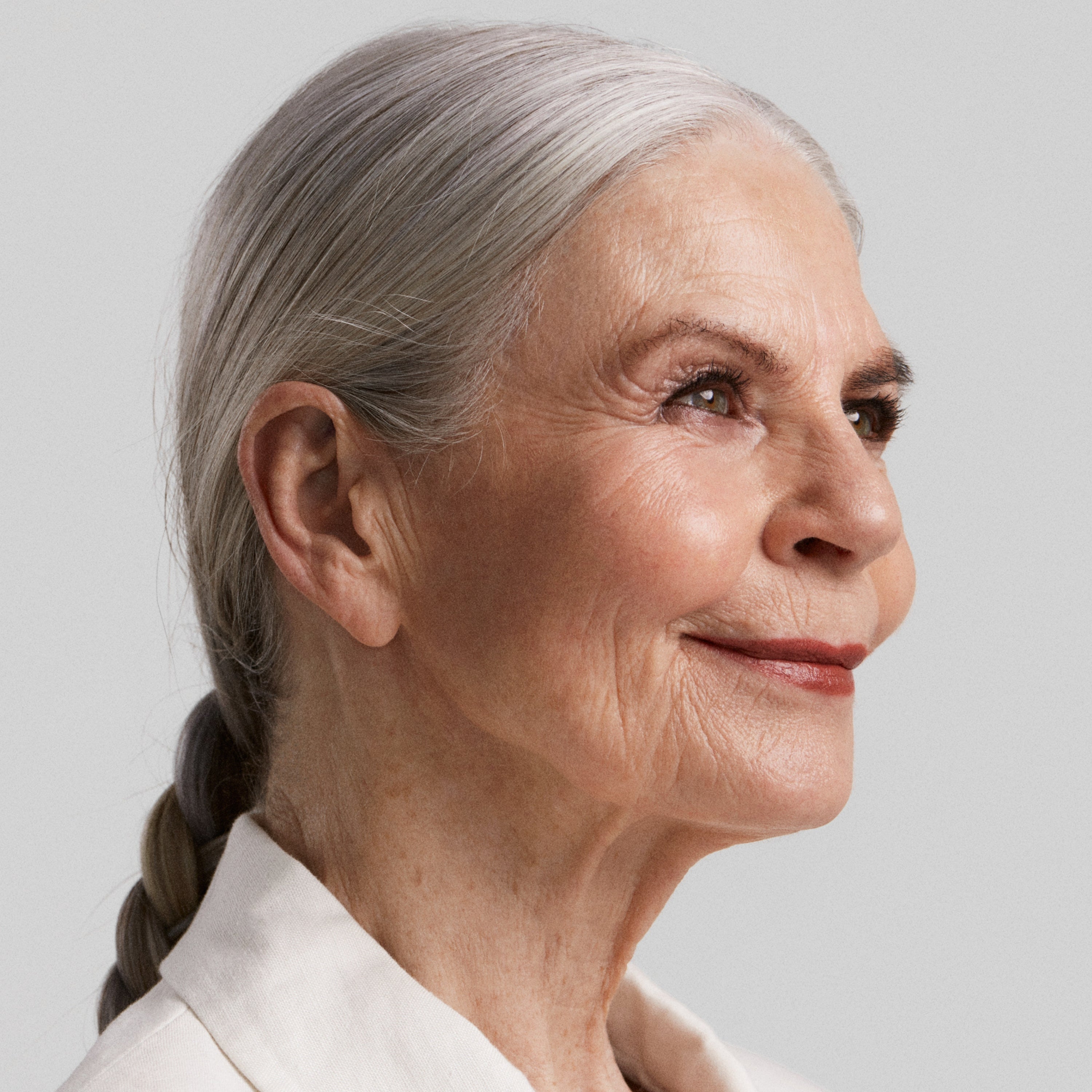
As skin changes, so does the way makeup wears — foundation settles into lines more easily, powder catches on dryness, and concealer creases by noon.
The instinct is to reach for more coverage. But usually, it’s about texture.
What Changes in the Skin
Skin produces less oil over time. The surface becomes drier, thinner and less uniformly smooth. Fine lines hold product differently — powder and heavy formulas collect there, dulling the skin’s natural luminosity.
This isn't a problem to solve so much as a shift to understand. The formulas that work on oilier, more resilient skin — dense coverage, strong-hold film formers, setting powders applied generously — cling where they should blend and dull where they should illuminate.

Texture Over Coverage
Coverage describes how much pigment is in a formula. Texture describes how the formula meets the skin.
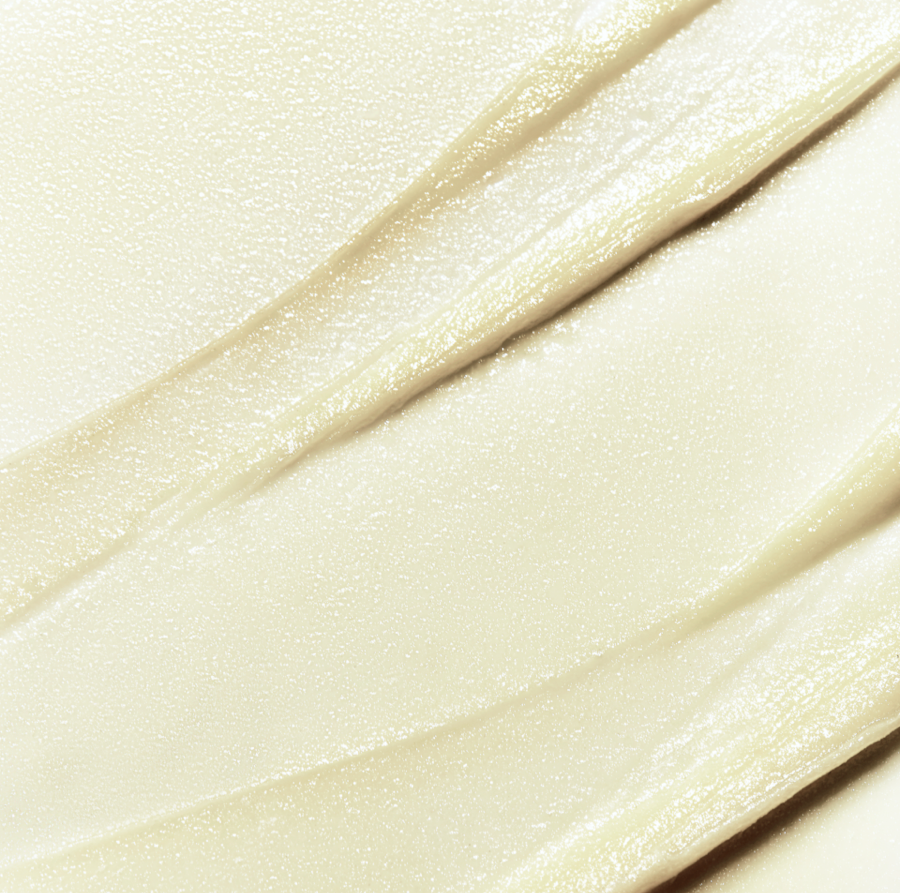
The same pigment in a cream base and a powder base behaves completely differently. Cream warms against the skin, moves with the face, and looks hydrated and healthy. Powder sits on the surface, emphasizing dryness and texture.
For mature skin, texture is worth getting right first. Everything else follows more easily.
Foundation
Less is more here. Heavier formulas tend to settle instead of smooth, whereas fluid foundations and tinted moisturizers even the tone without adding visible weight — they blur rather than fill, balance rather than mask.
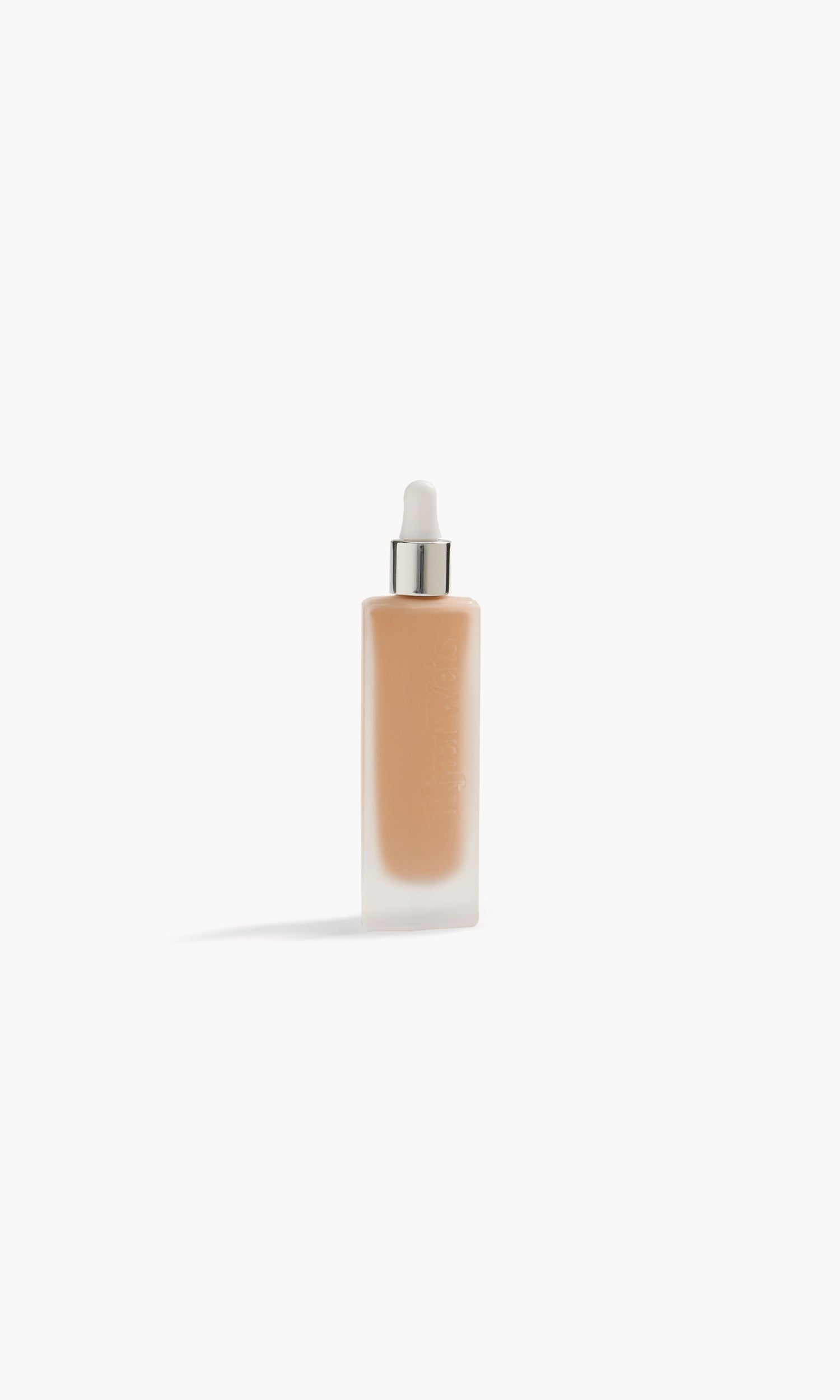
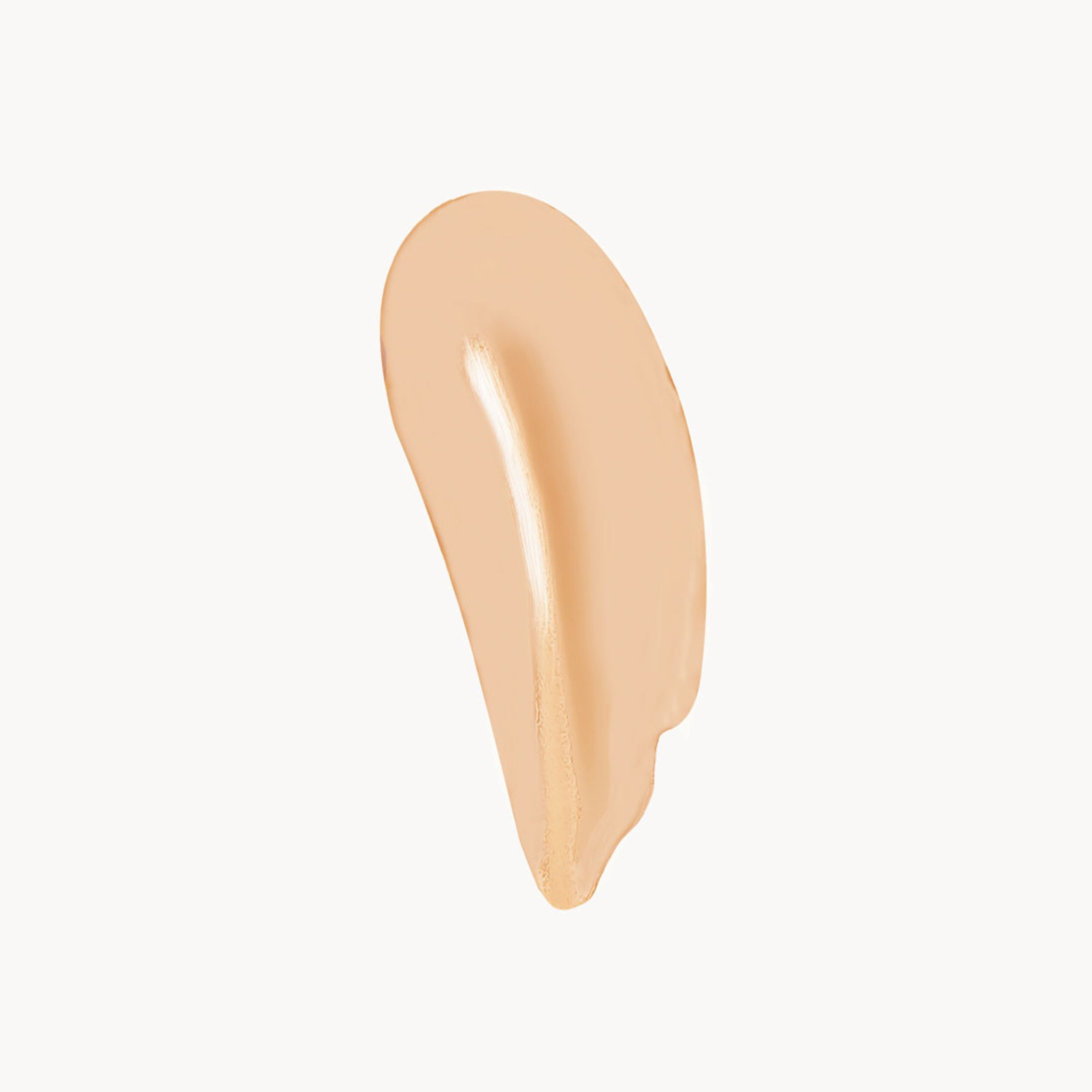
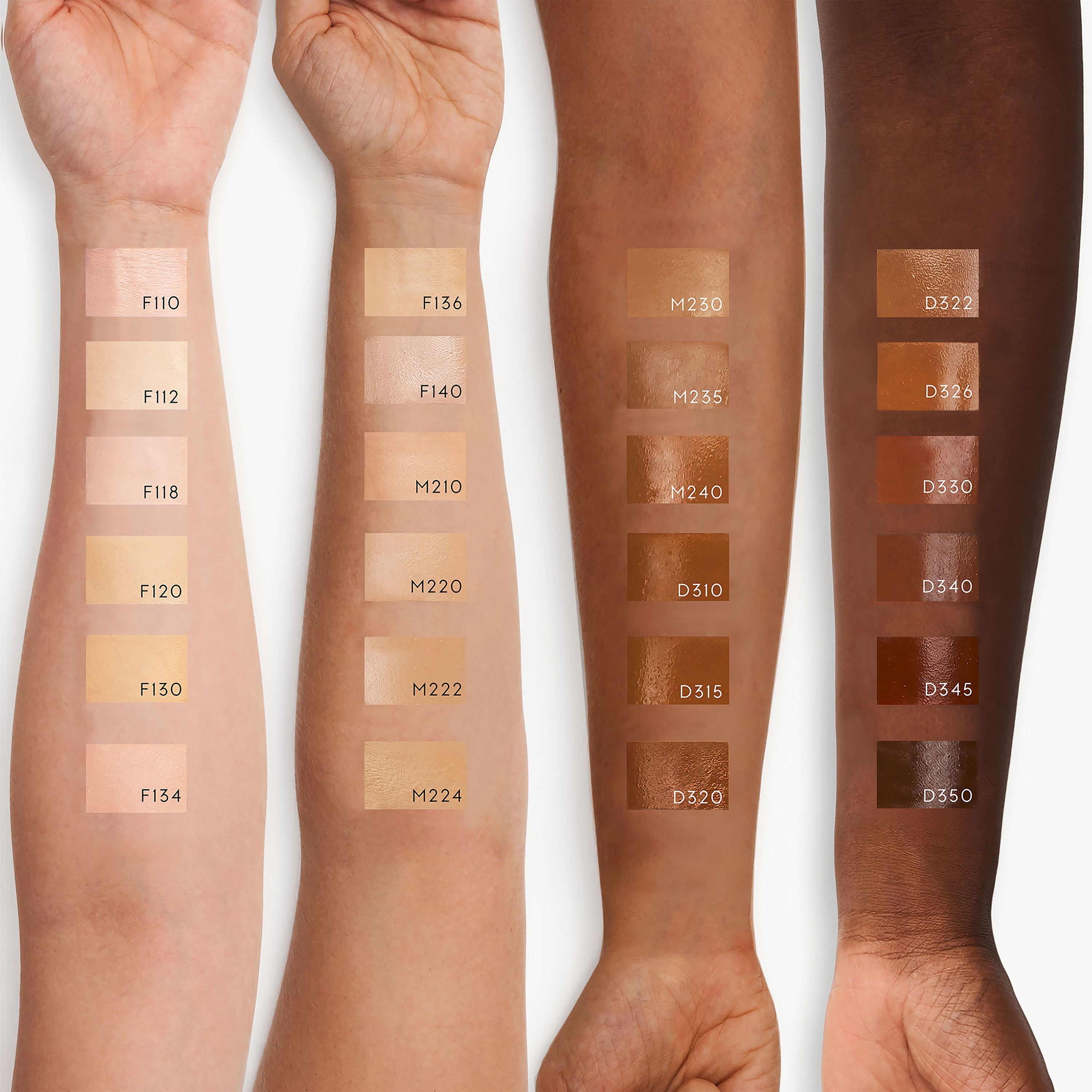
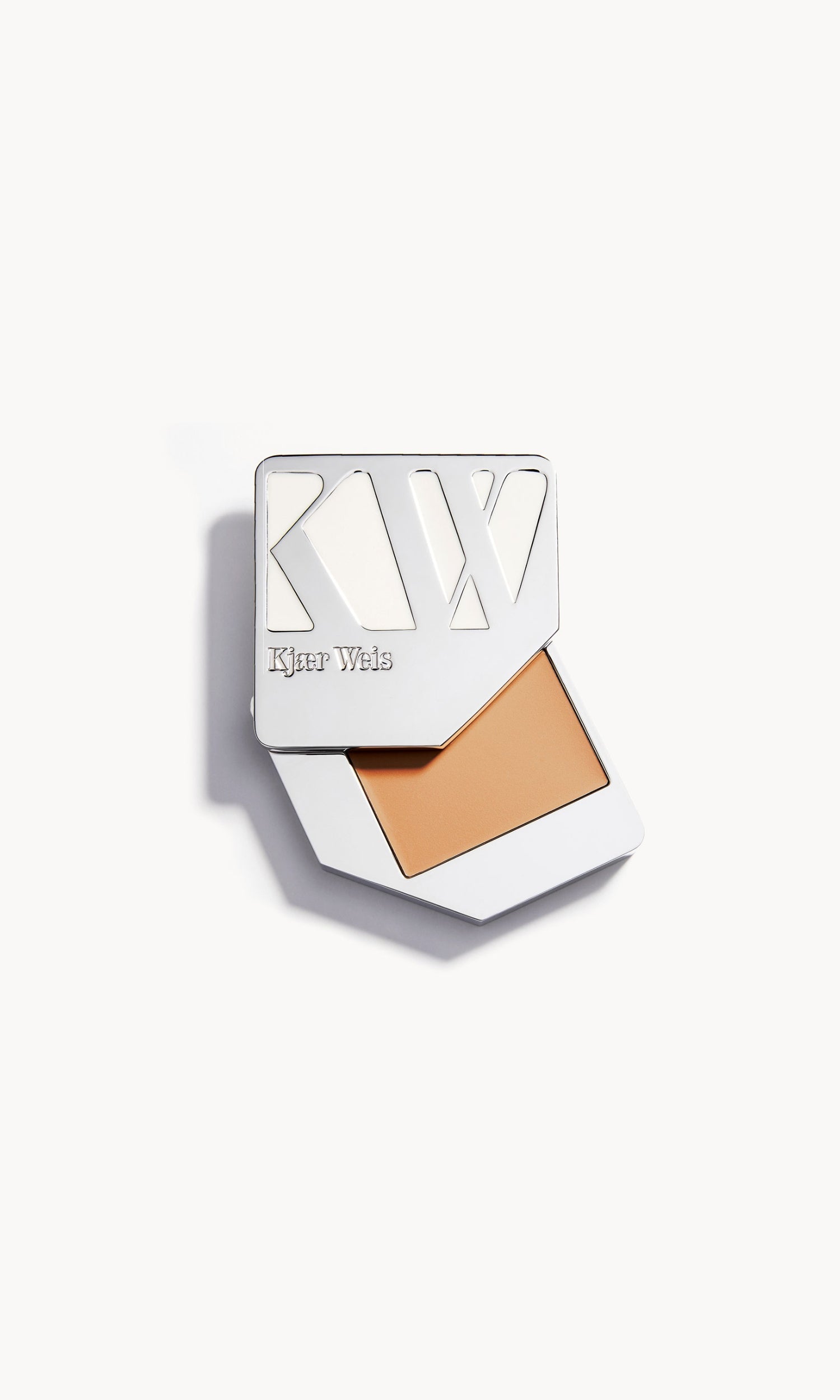
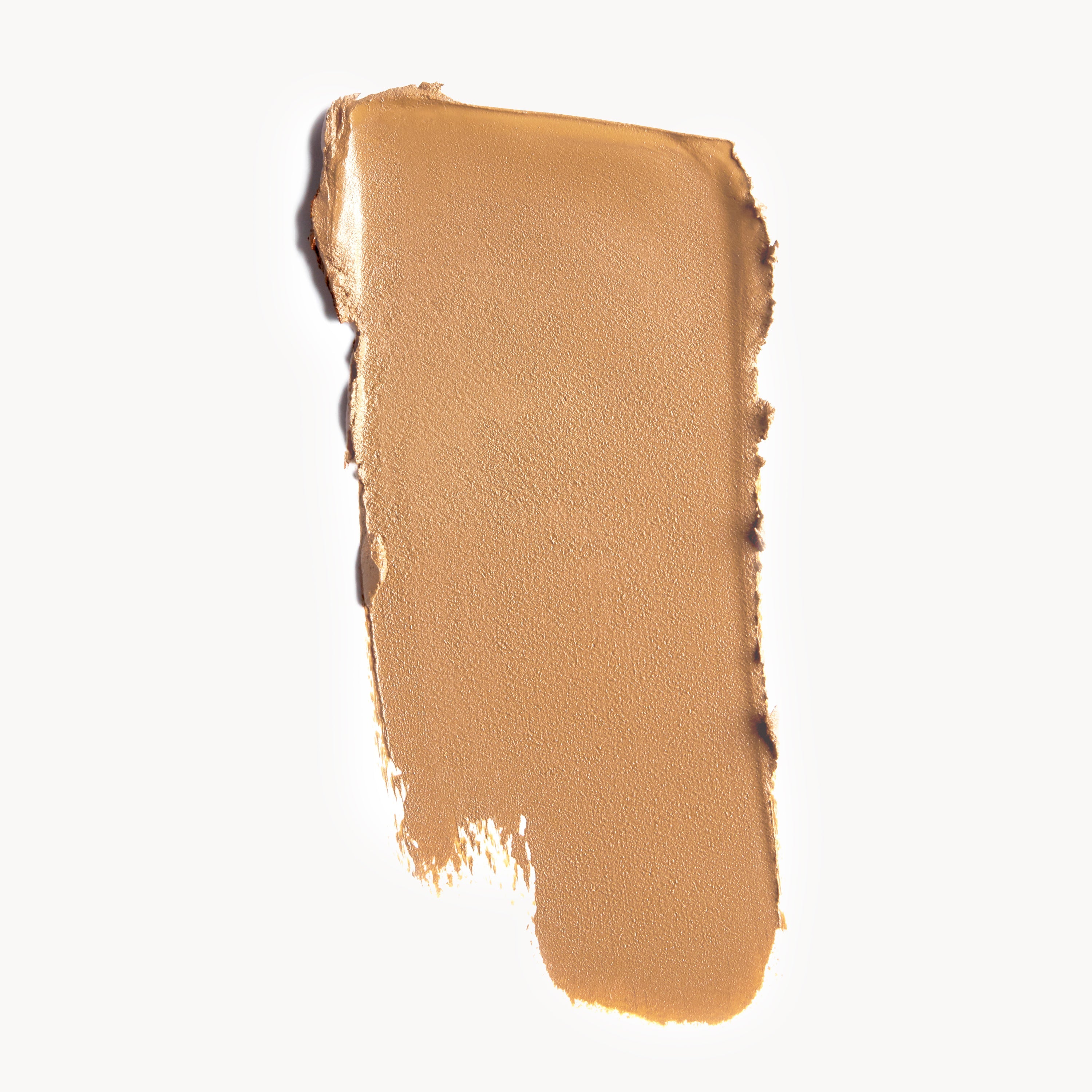
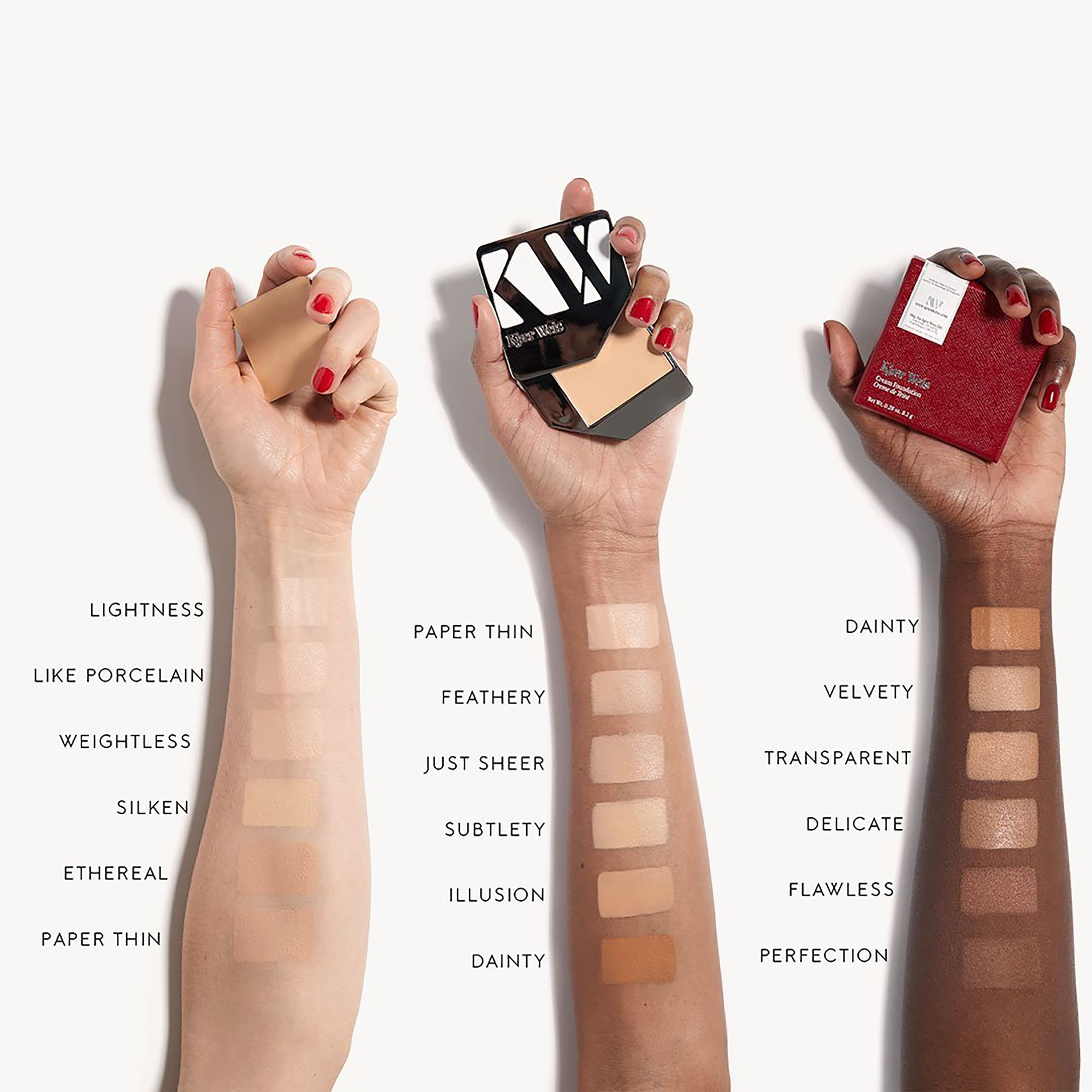
Invisible Touch Liquid Foundation has the feel of a serum: light, almost imperceptible on the skin, adding coverage only where the skin asks for it. Cream Foundation takes a different approach — dense and velvety at first touch, it softens with warmth and melts into moisturized skin, leaving a hydrated, feather-like finish that doubles as skincare. Both are certified organic and wear comfortably without a heavy setting.

Blush
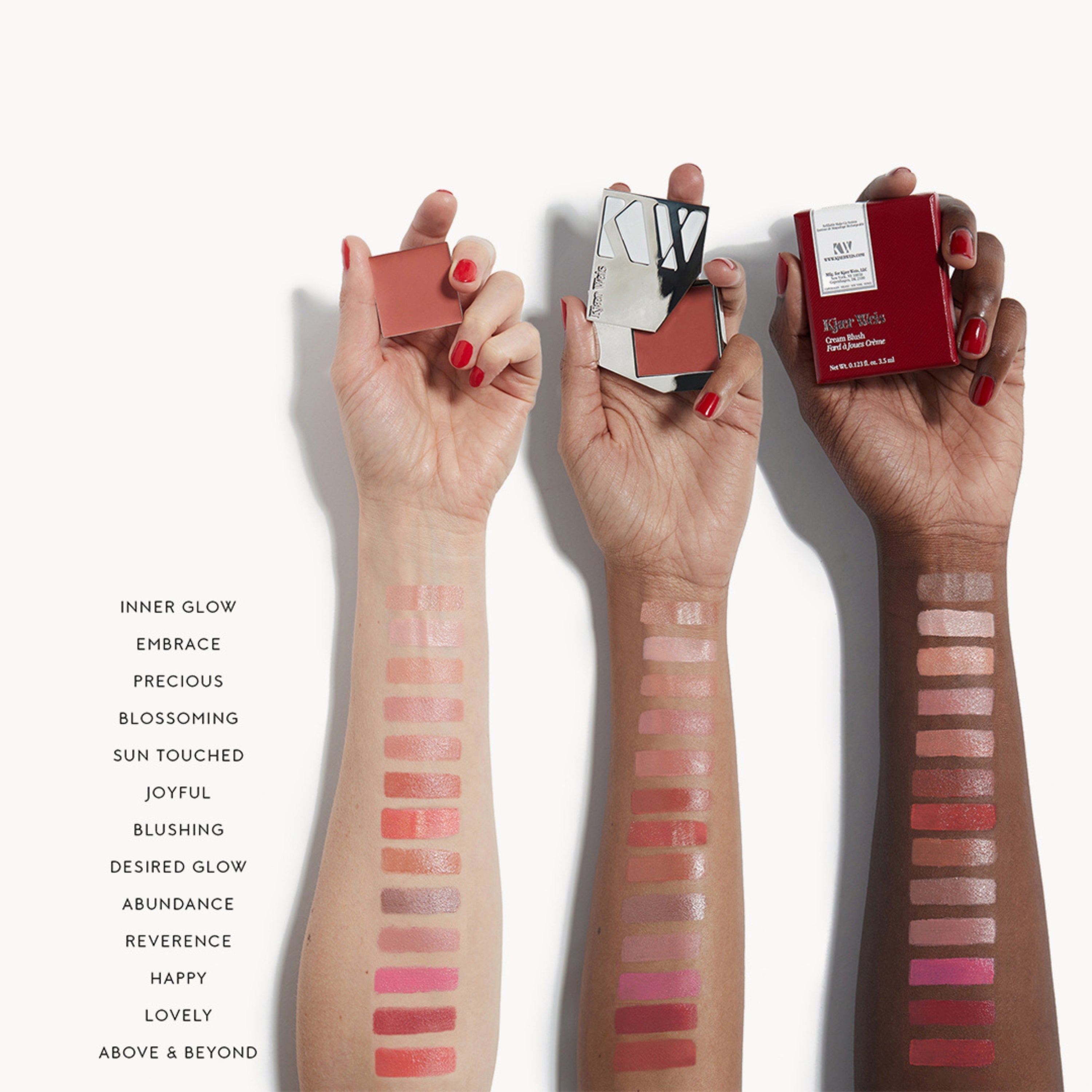
Nothing mimics a natural flush quite like cream blush — that soft, luminous color that feels less like makeup and more like skin brought to life.
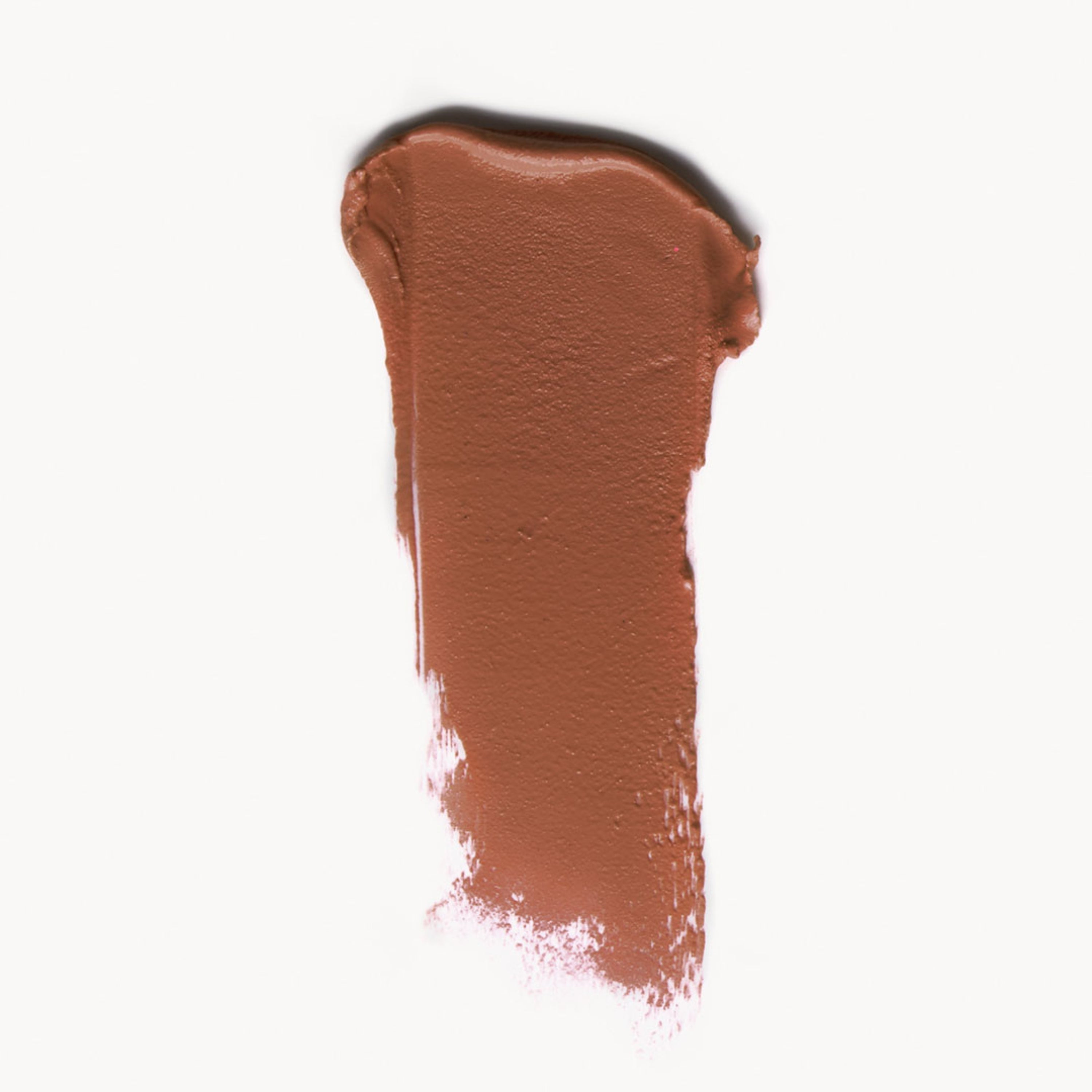
Powder blush on dry skin reads more as dust than color. Cream melts in, warms on contact, and leaves a finish that looks like it came from within. Kjaer Weis Cream Blush, crafted with Castor Seed Oil, Jojoba, and Sunflower oil, conditions as it colors. Applied high on the cheekbones and swept toward the temples, it brings warmth and a subtle lift.
The Under-Eye
The skin beneath the eye is thinner and more delicate than anywhere else on the face. It needs preparation more than it needs coverage.
The Beautiful Eye Balm — warmed between the fingertips until it loosens into a silky texture, then pressed gently beneath the eye — cushions and plumps the area before anything else touches it. Concealer applied over top blends more evenly, stays put longer, and doesn't migrate into lines by afternoon. Kjaer Weis Concealer tapped in gently and set lightly if at all — diffuses shadows without heaviness. The goal is rested, not airbrushed.

Powder
A light dusting of translucent powder on the center of the face — forehead, nose and chin — holds makeup in place without dulling the skin. Leave the cheeks and high points of the face undisturbed to preserve that natural luminosity. Too much powder all over can leave skin looking drier than intended. Used with intention, it finishes the skin without flattening it.
Eyes
Around the eyes, the formula matters as much as the finish. Products made with overly drying ingredients are more likely to flake, settle, or leave the eye area looking tired by the end of the day. Gentler, more nourishing formulas care for delicate lashes and wear more comfortably through the day.
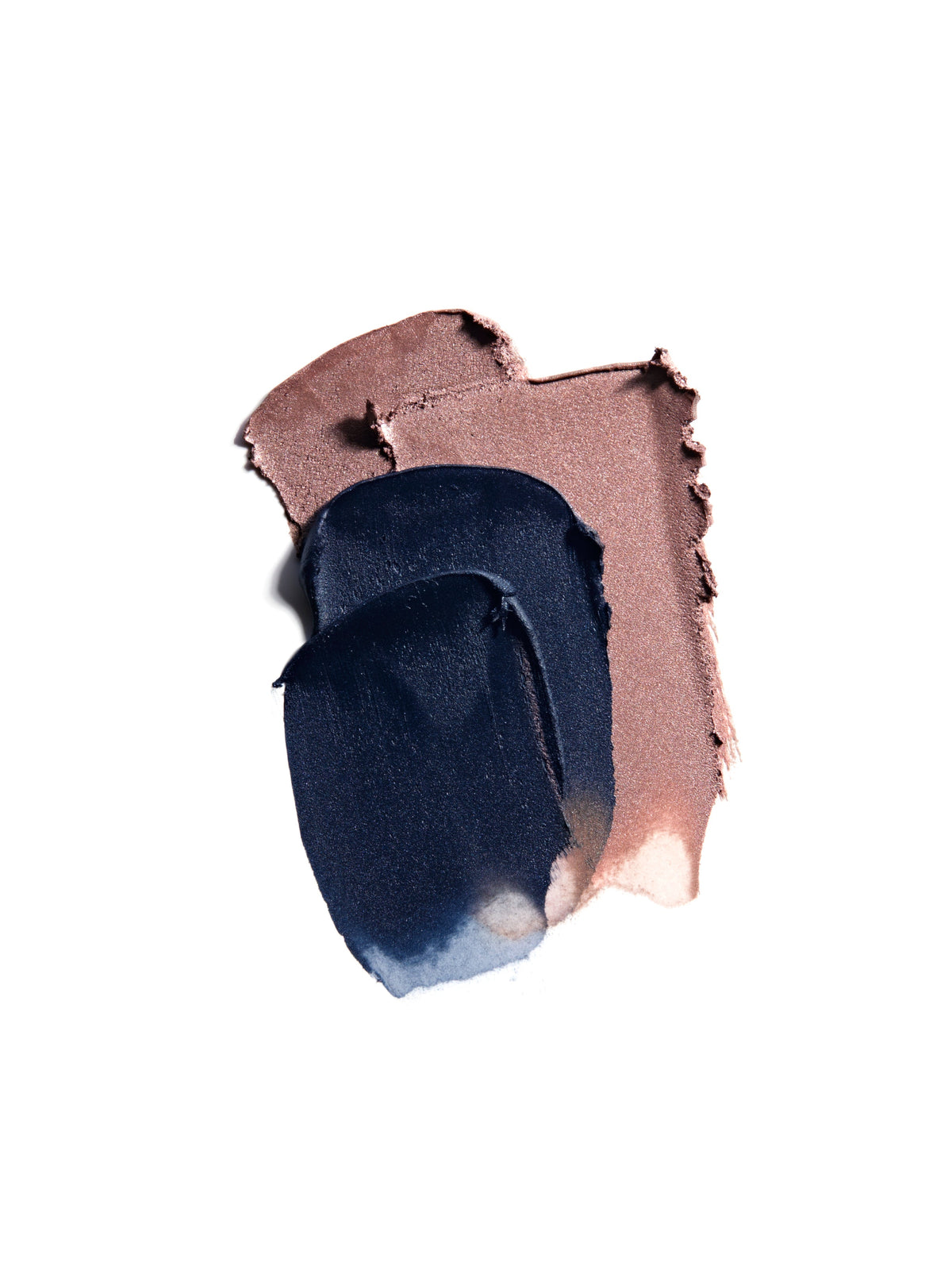
Kjaer Weis Im-Possible Mascara is crafted with certified-organic ingredients chosen for the delicate skin around the eyes — it builds length and volume without drying the lashes or the surrounding skin. The dual-sided wand places product exactly where it's needed — volume at the base, definition at the tip — without excess that can shift or fall away through the day.

Your questions, answered
Why does my foundation look cakey?
Often, it’s a combination of dryness underneath and a too-heavy formula on top. A lighter liquid or tint over well-moisturized skin, set minimally, holds much better.
Why does my concealer crease?
The under-eye needs preparation before concealer is applied. A light eye balm first, pressed in and absorbed, gives concealer a smooth surface to adhere to. Tap the concealer in (avoid rubbing), and set lightly if at all.
Should I avoid shimmer?
Not at all. Finely-milled shimmer on the high points of the face brings light beautifully to the skin. On the eyes, softer luminosity tends to feel more effortless than heavier sparkle.
How do I make makeup last without heavy powder?
Start with moisturized skin, use cream formulas throughout, and apply powder only where it's genuinely needed. A light mist midday refreshes without disrupting what's underneath.
Is there any reason to still use powder blush?
For very oil-prone skin, powder blush may provide more longevity. But for most mature skin — which tends toward dryness — cream blush is more flattering, more hydrating, and more natural-looking.
Explore the Kjaer Weis collection of certified organic, refillable makeup designed to bring warmth, light, and softness back to the skin.




Share:
Mascara for Sensitive Eyes: What Actually Matters
Brown vs Black Mascara: How to Choose the Right Shade for Your Eyes