


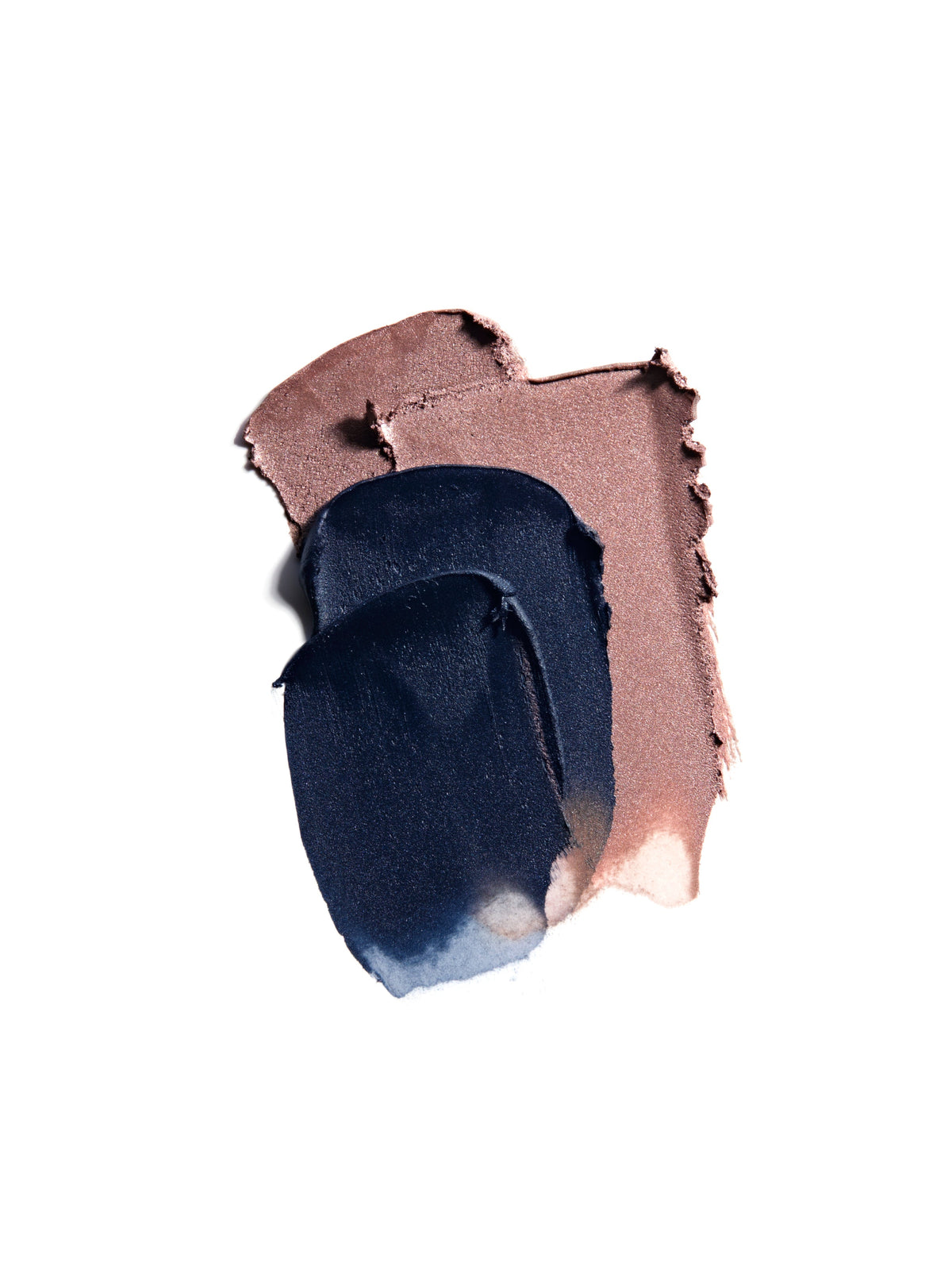
Eyeshadow is as much about texture as color. The same shade can look entirely different swept on as powder or pressed into the lid as a cream.
Cream eyeshadow creates a seamless wash of color that sits close to the skin. Powder gives you more precision, diffused blending, and the freedom to combine several shades.
What Is Cream Eyeshadow?
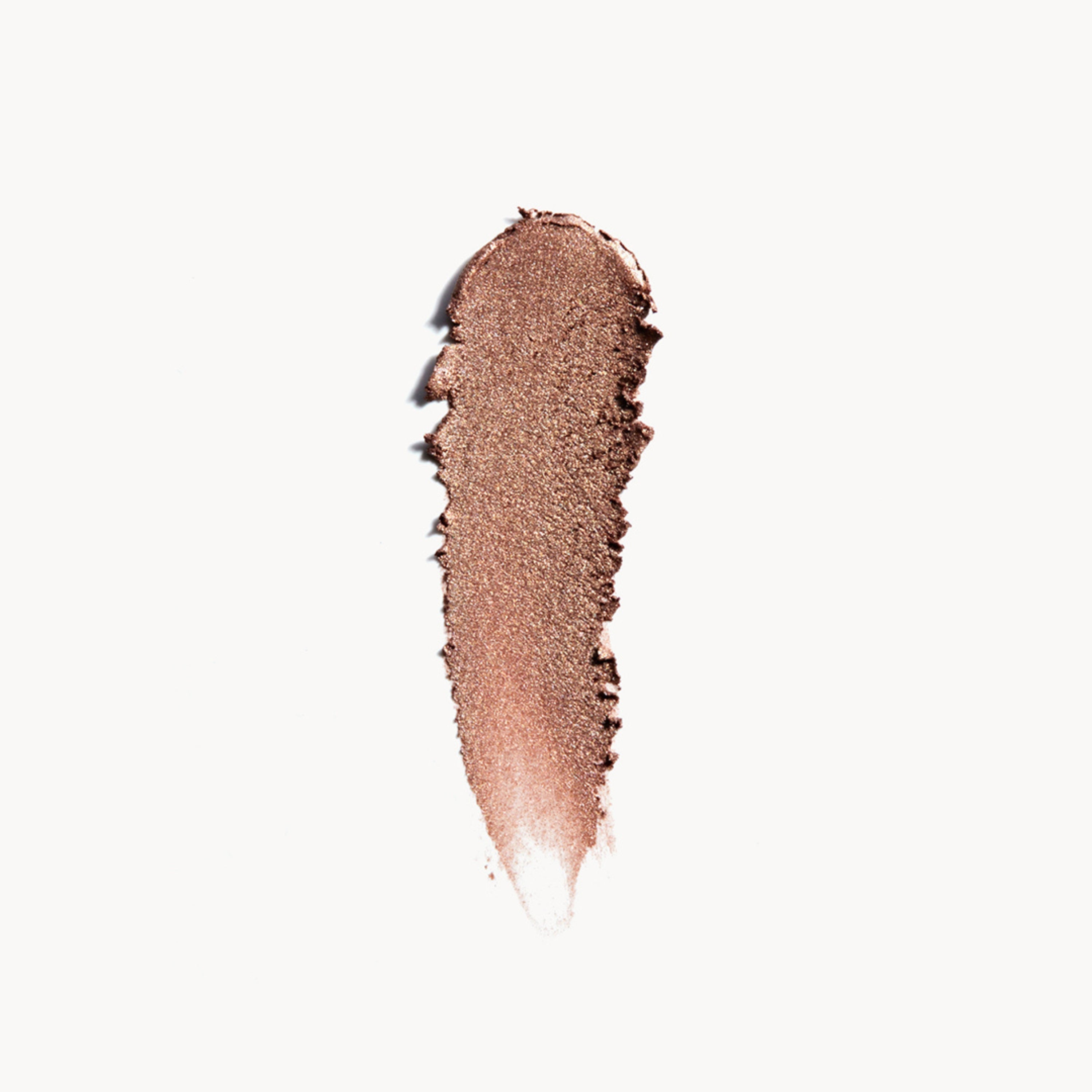
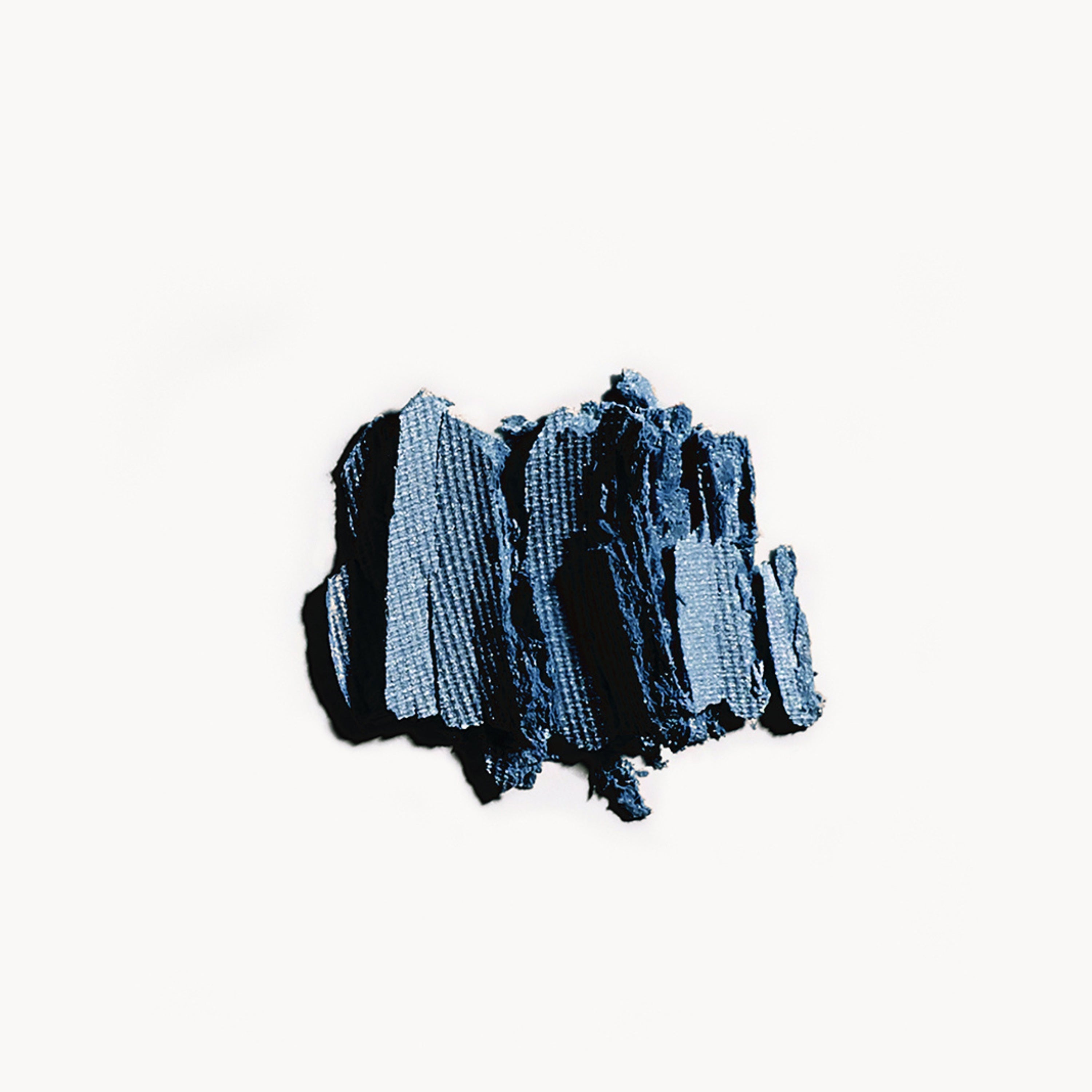
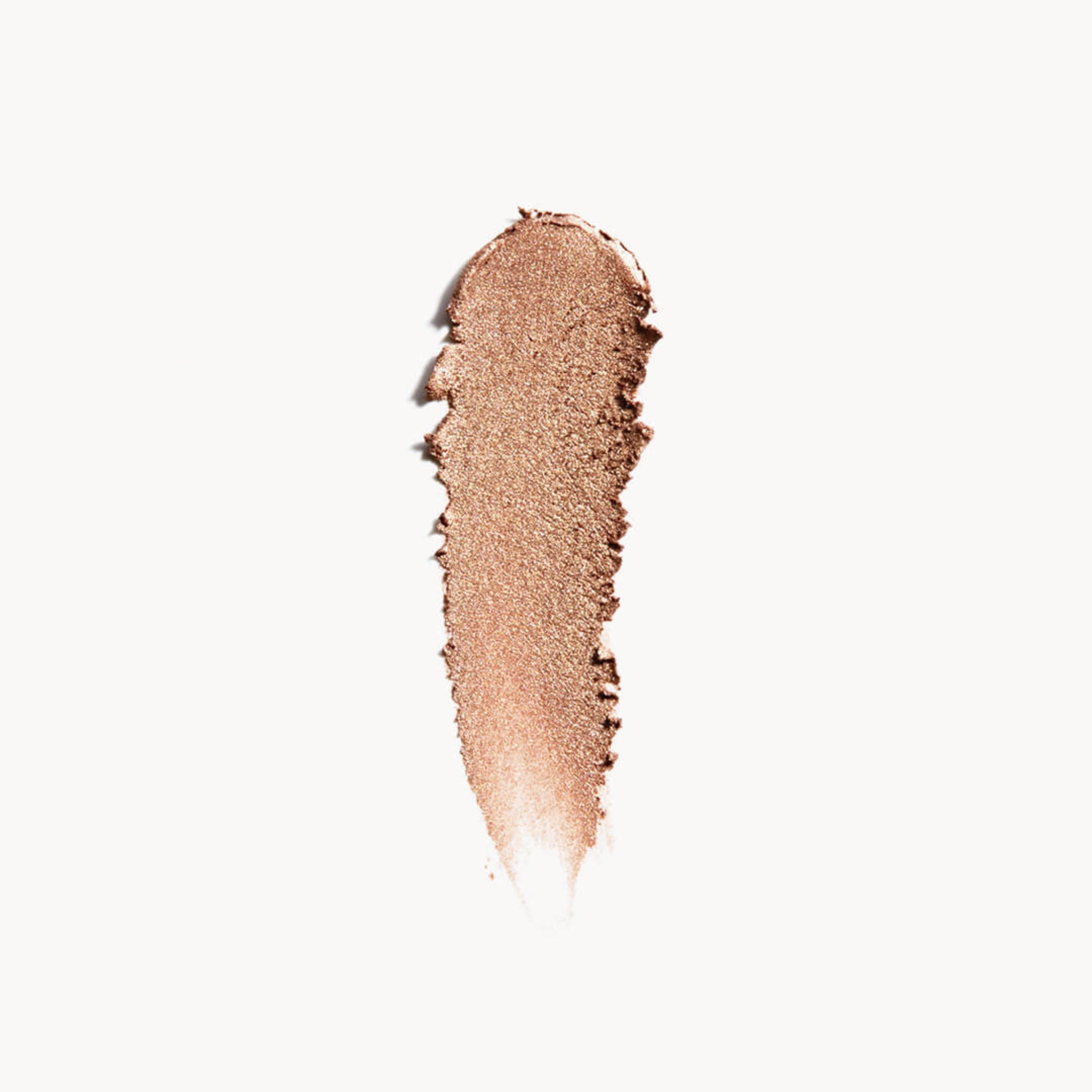
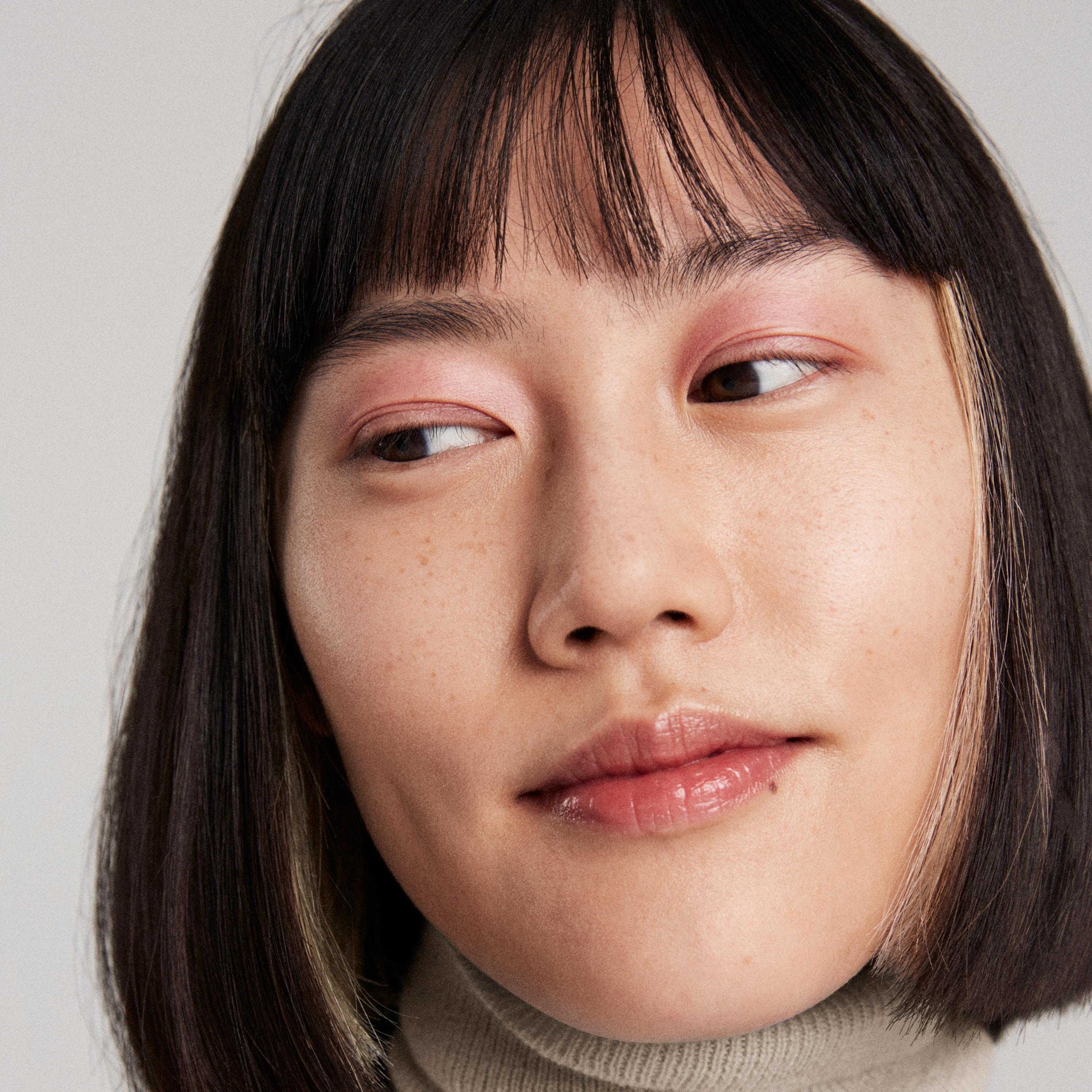
Cream eyeshadow has a softness that changes as you work with it. The warmth of a fingertip gives the formula more slip, so it glides across the lid and blends easily before settling into place.
Some creams feel light and fluid; others are richer and more buttery. Color can melt into a translucent veil or build to rich, concentrated color.
 What Is Powder Eyeshadow?
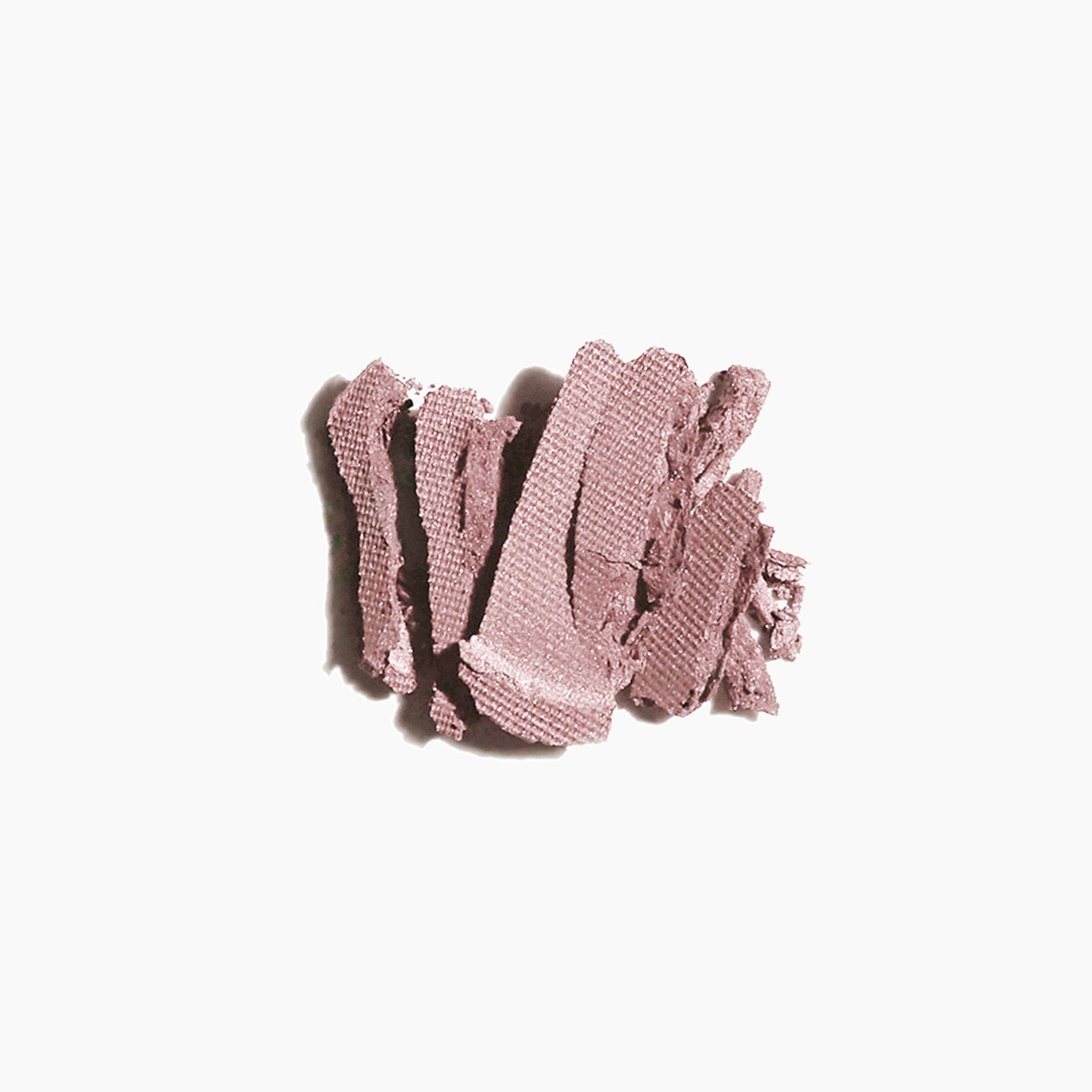
Powder eyeshadow gives you more control over where color sits and how far it travels. Its dry texture can be diffused into a soft haze or concentrated for more pigment and intensity.
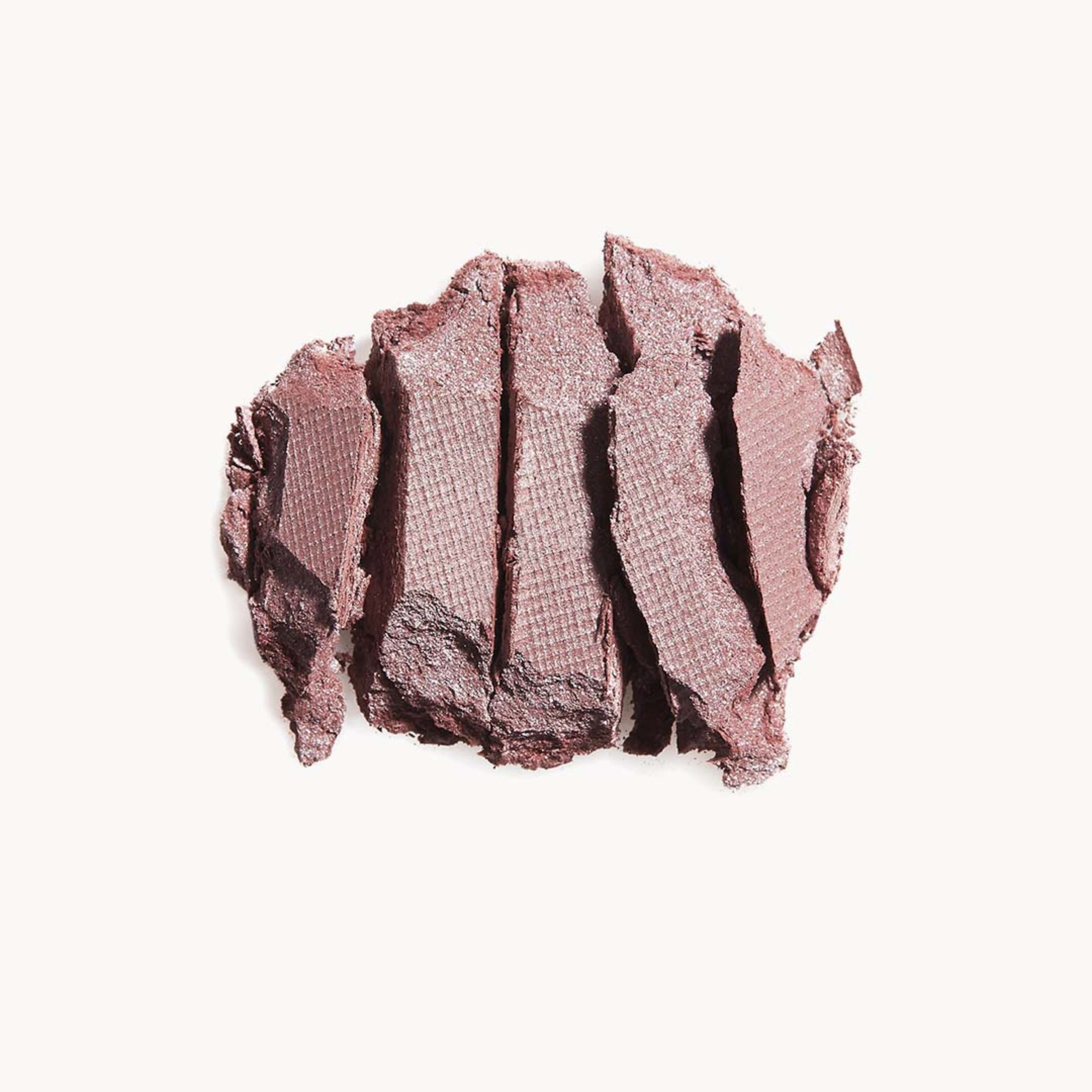
A lot depends on the formula. Some powders are featherlight and airy; others are denser and more velvety. The formula can carry everything from a whisper of pigment to deep, saturated color, shaped by the brush, pressure, and amount of color you use.

Cream Eyeshadow vs. Powder Eyeshadow: The Key Differences
Texture and Finish
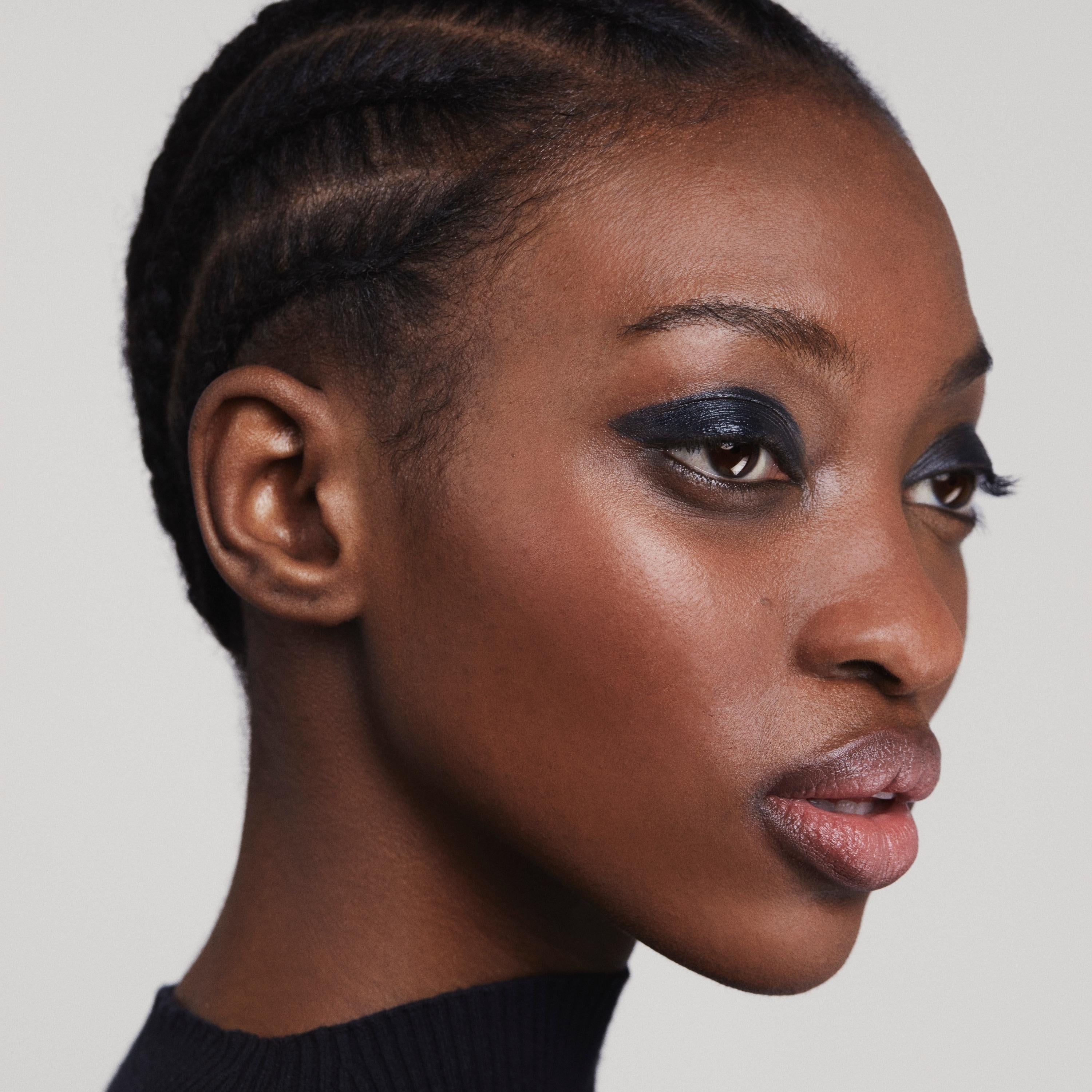
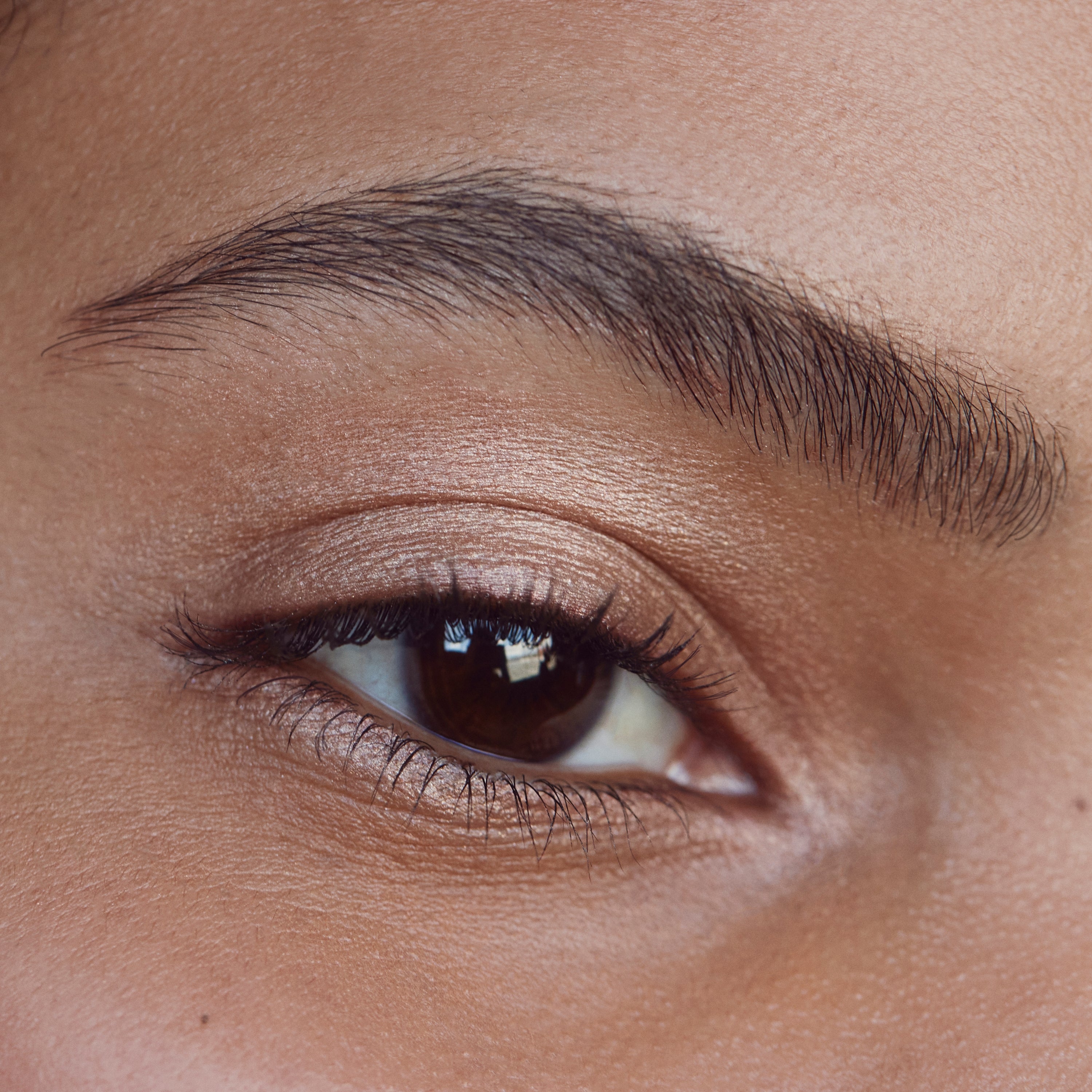
Cream eyeshadow has a smooth, dewy finish. A sheer layer can look almost glassy, while more pigment gives the color richness and a soft sheen.
Powder can look softly blurred or crisp and defined. Matte adds depth and shadow; satin catches a subtle gleam, while shimmer and metallic finishes bring more light to the eye.
Cream has a natural ease to it. Powder gives you more ways to shape the eye.

Application
Fingers work naturally with cream eyeshadow. Press the color onto the lid, then use your fingertip to blend the edges. A brush changes the effect, letting you build denser color, sharpen an edge, or draw a precise line.
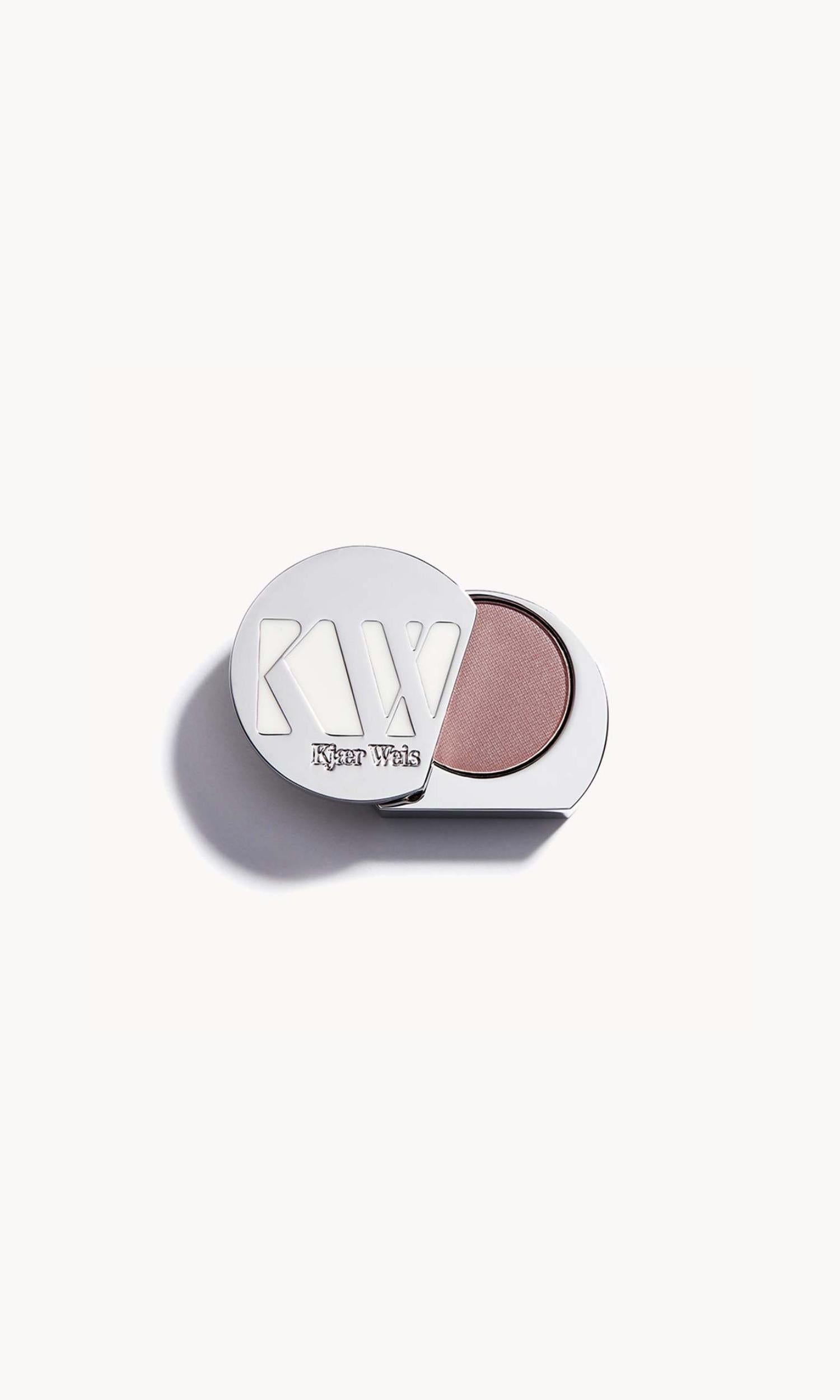
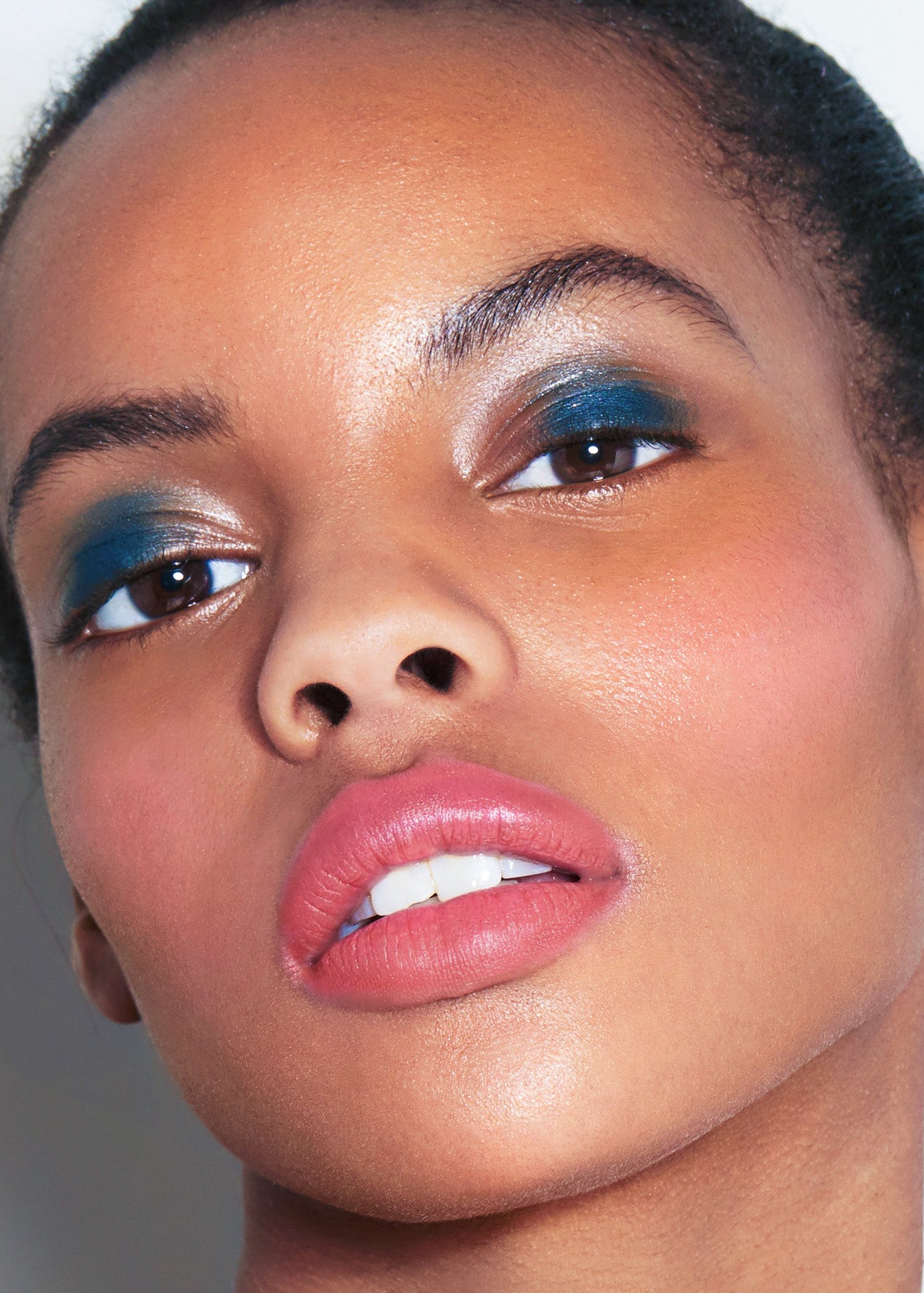
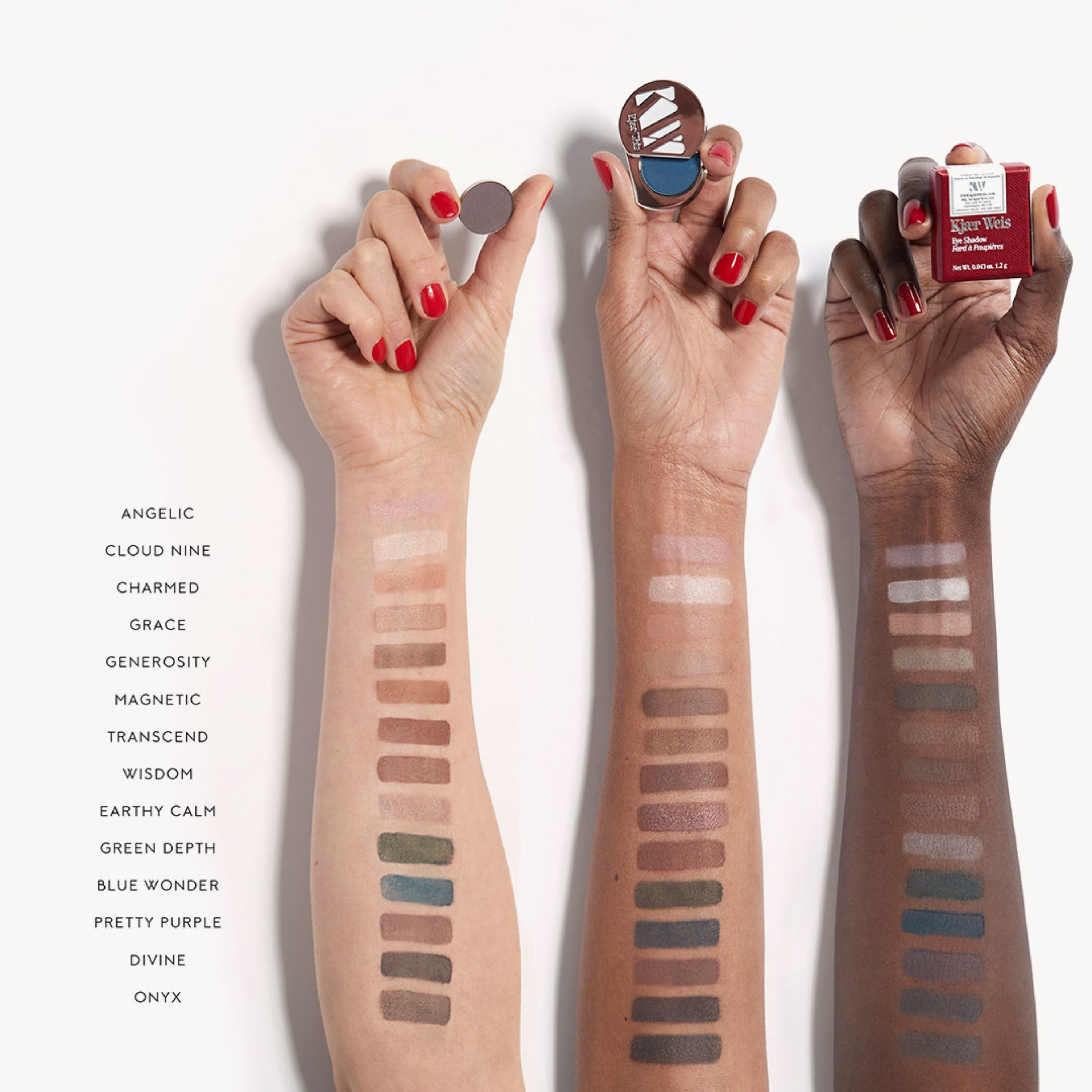
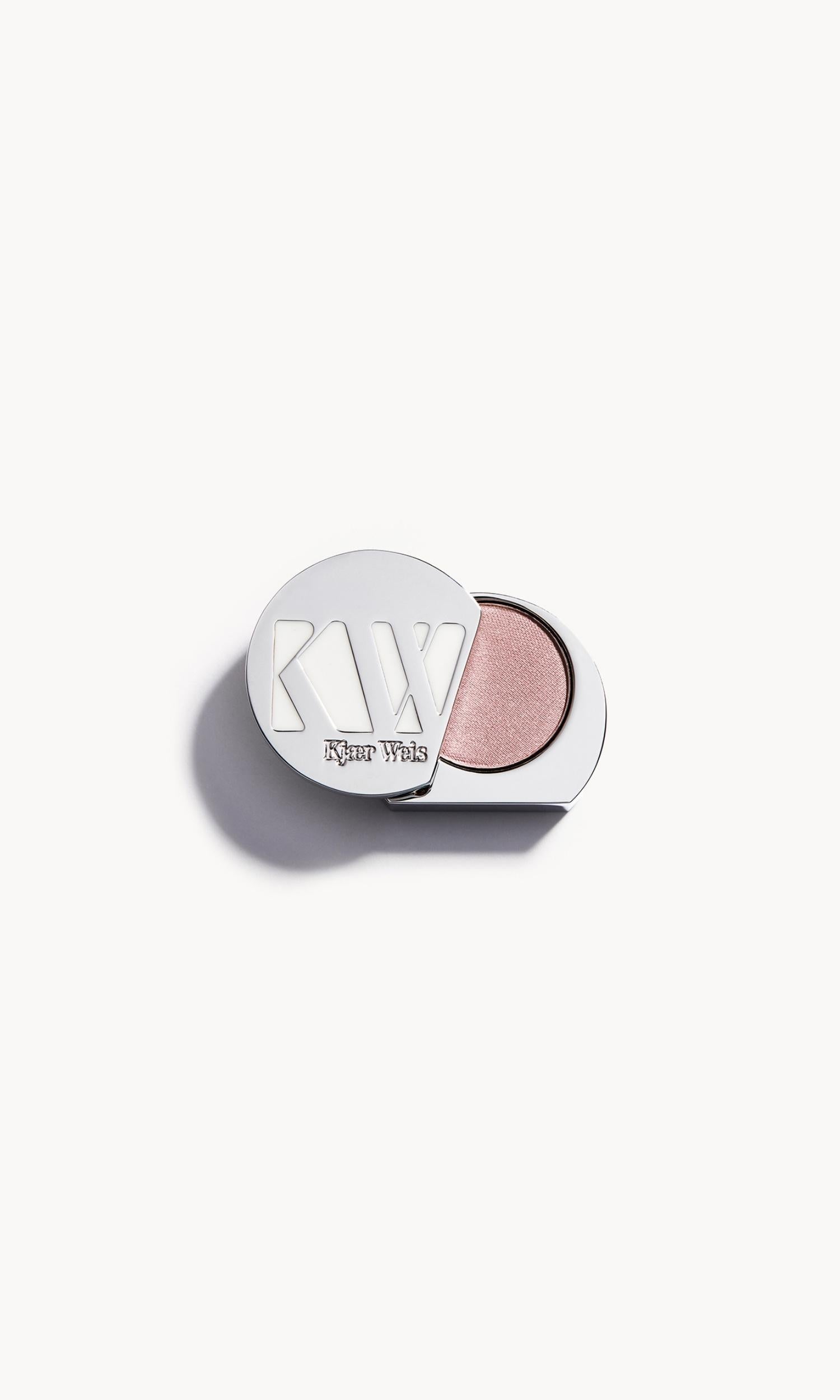
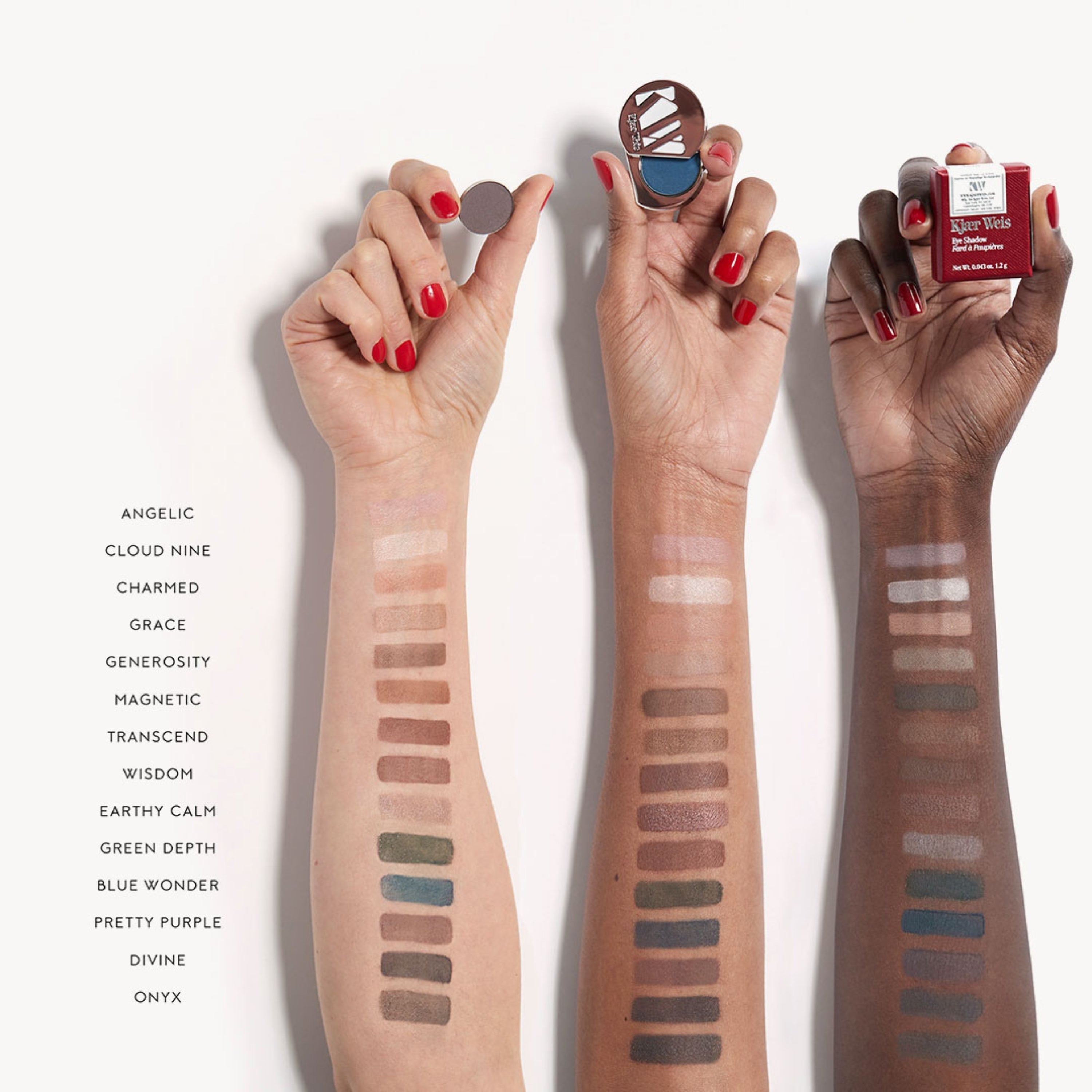
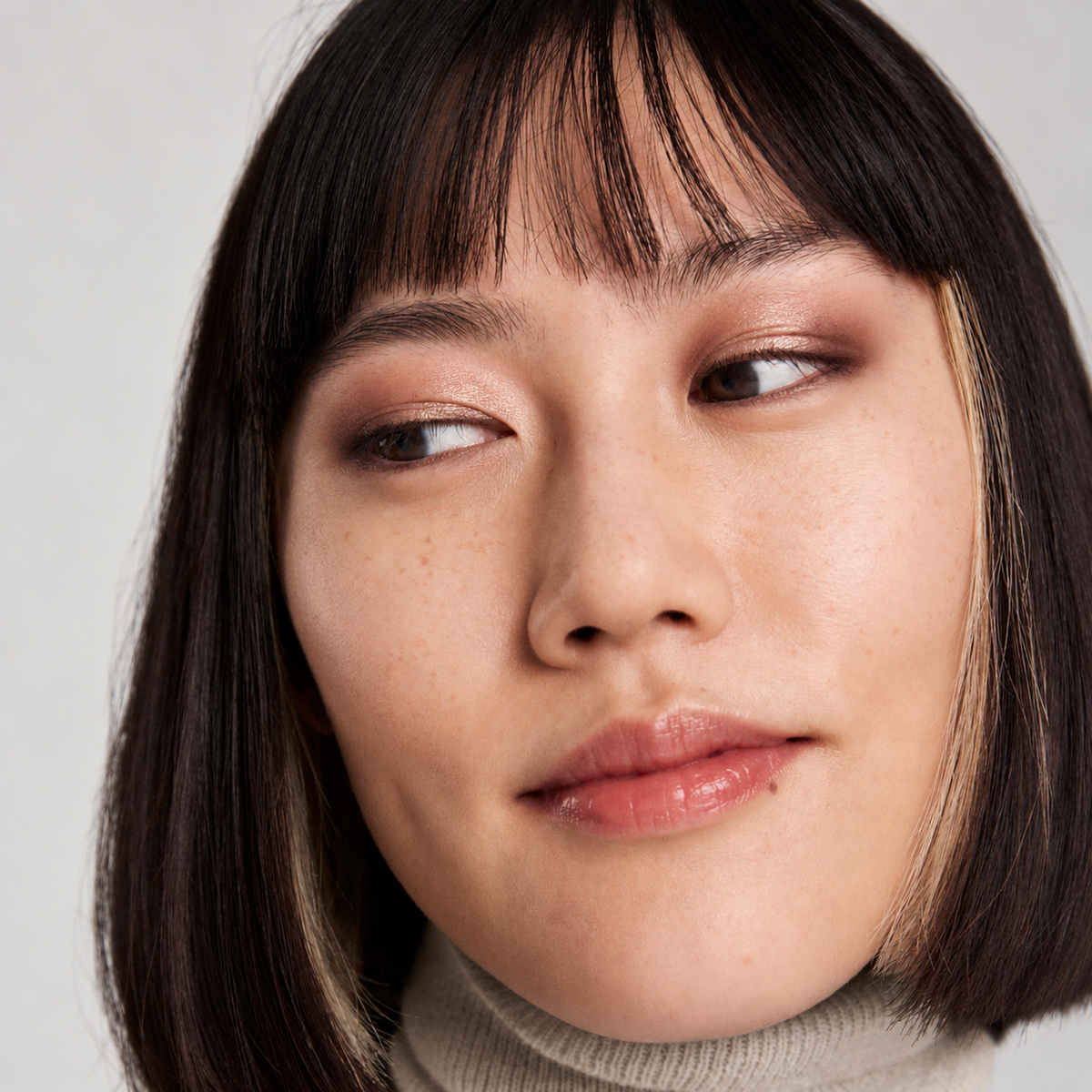
Powder works best with brushes. A bigger, fluffier brush blends and diffuses color; a smaller, denser one concentrates it. Kjaer Weis Powder Eye Shadow has a silky, blendable texture that can be swept on lightly or layered for richer color. Powder also makes it easy to create dimension with multiple colors: one shade can define the crease, another can deepen the outer corner, while a satin or shimmer catches light across the center of the lid.
Cream makes a one-shade eye especially easy. Powder gives you more possibilities when you want to work with several shades and finishes.
Pigment and Buildability
Both cream and powder eyeshadow can move from sheer to saturated. Neither texture has to mean a softer or more dramatic eye.
Cream can build from a translucent wash to rich, opaque color, with each layer adding greater depth. Powder can be swept on lightly or packed more densely, giving you close control over where the pigment becomes most intense.
With either, the amount you apply—and the tool you use—changes the result.

Wear and Creasing
Cream eyeshadow can crease when too much product collects in the folds of the lid, particularly on oilier eyelids. Formula matters, too. A cream shadow that sets after application will behave differently from one that stays sticky. Kjaer Weis Cream Eye Shadow sets without creasing, with color that stays even throughout the day.
Powder can crease too, especially as natural oils come through during the day. It can also fade or lose definition over time, depending on the formula and what sits underneath it.
Preparation can make a difference with either texture. The Beautiful Eye Balm doubles as a rich eye cream and primer, smoothing and preparing the eye area before color. Give it two to three minutes to absorb before applying eyeshadow.
Is Cream or Powder Eyeshadow Better for Mature Eyes?
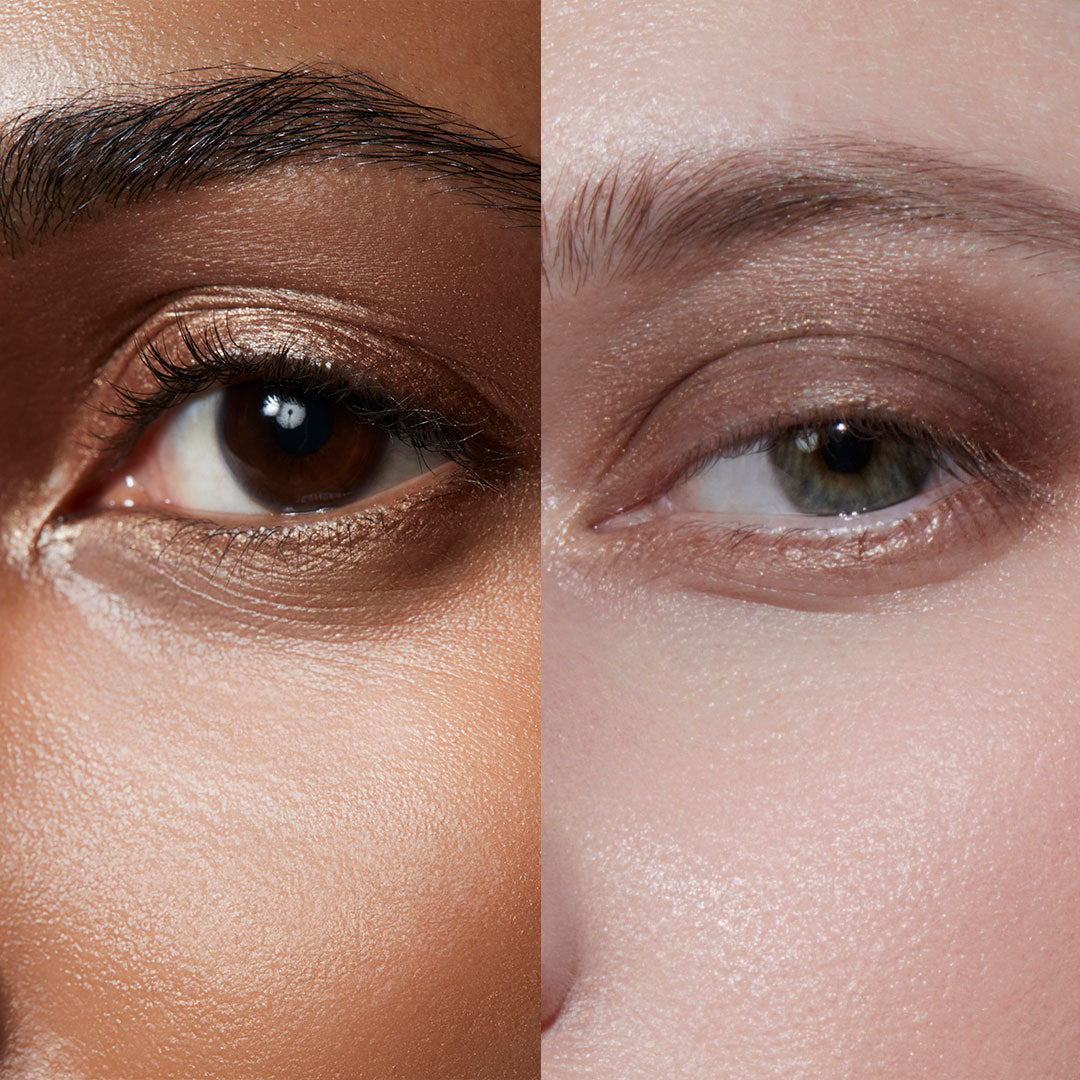
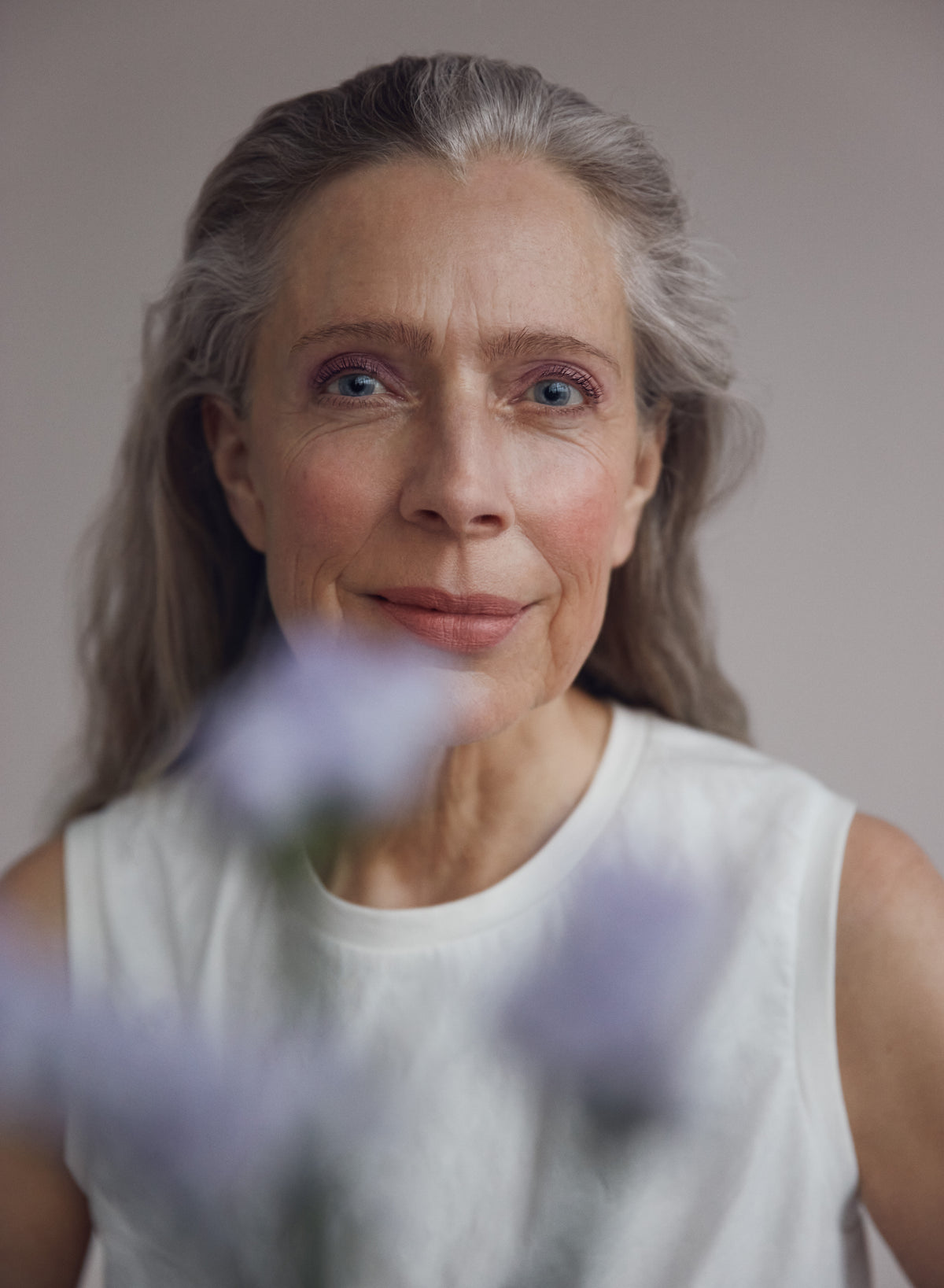
Cream eyeshadow is often a simpler choice for mature eyes. Its fluid texture spreads into a thin, seamless layer, giving the lid color and luminosity without building up around fine lines.
Powder can work well too, particularly when finely milled. Use a light hand, keeping deeper color closer to the lashes or outer corner rather than layering too much across the lid.
With either texture, a little restraint goes a long way.

Cream or Powder Eyeshadow for Dry and Oily Eyelids?
Dry eyelids often pair well with the texture of a cream formula, especially when powder catches on areas of dryness. Keep skincare light beneath the eyeshadow and let it absorb fully before applying color.
For oily eyelids, powder is usually the easier choice. If you prefer the feel and look of cream eyeshadow, prepare the lid with primer first and apply color in light layers.
Can You Use Cream and Powder Eyeshadow Together?
Cream and powder pair beautifully when you want the softness of one texture with the definition of another.
Use cream across the lid as your first layer, then add powder through the crease or along the lash line for depth. A powder shimmer can catch the center of the lid, while a deeper shade defines the outer corner.
Keep the cream layer light so the powder blends easily over it.

So, Is Cream or Powder Eyeshadow Better?
Neither texture is better in every situation. Cream suits a quick, tactile application, while powder gives you greater control when you want to work with several colors.
Some days call for the ease of cream; others, the precision of powder. There is room for both.
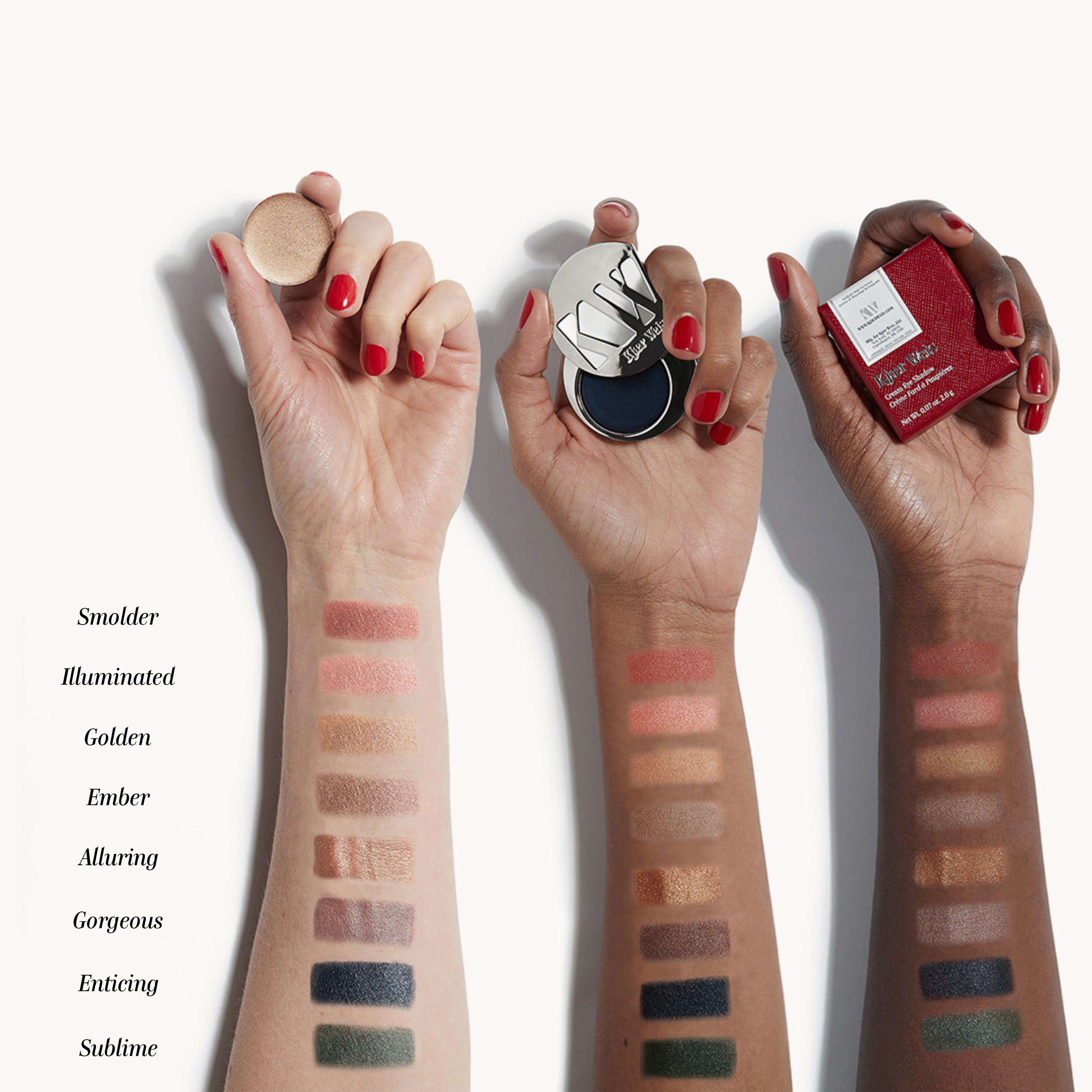
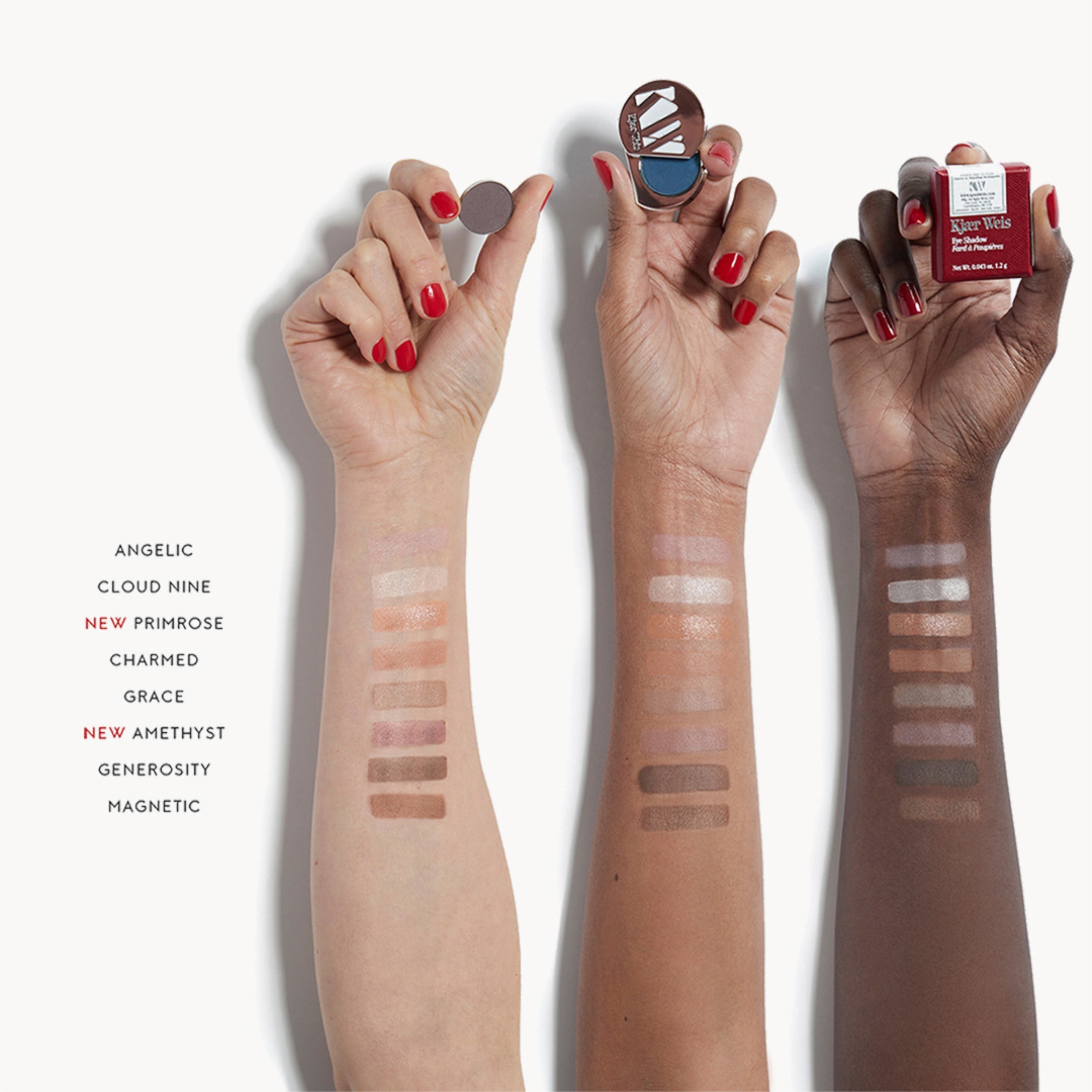
Explore Kjaer Weis Cream Eye Shadow and Kjaer Weis Powder Eye Shadow—rich cream color and silky powder pigment, each in a refillable compact designed to be kept.






Share:
How to Create a Morning Ritual You Look Forward To
How to Choose a Lip Color That Suits You