


Most people wear black mascara without ever questioning it. It's the default. Try brown mascara once, and that changes — suddenly there's a choice worth making.
Brown or black comes down to one thing: how dramatic you want the lashes to look. Black is deeper, more defined. Brown is softer, more subtle.
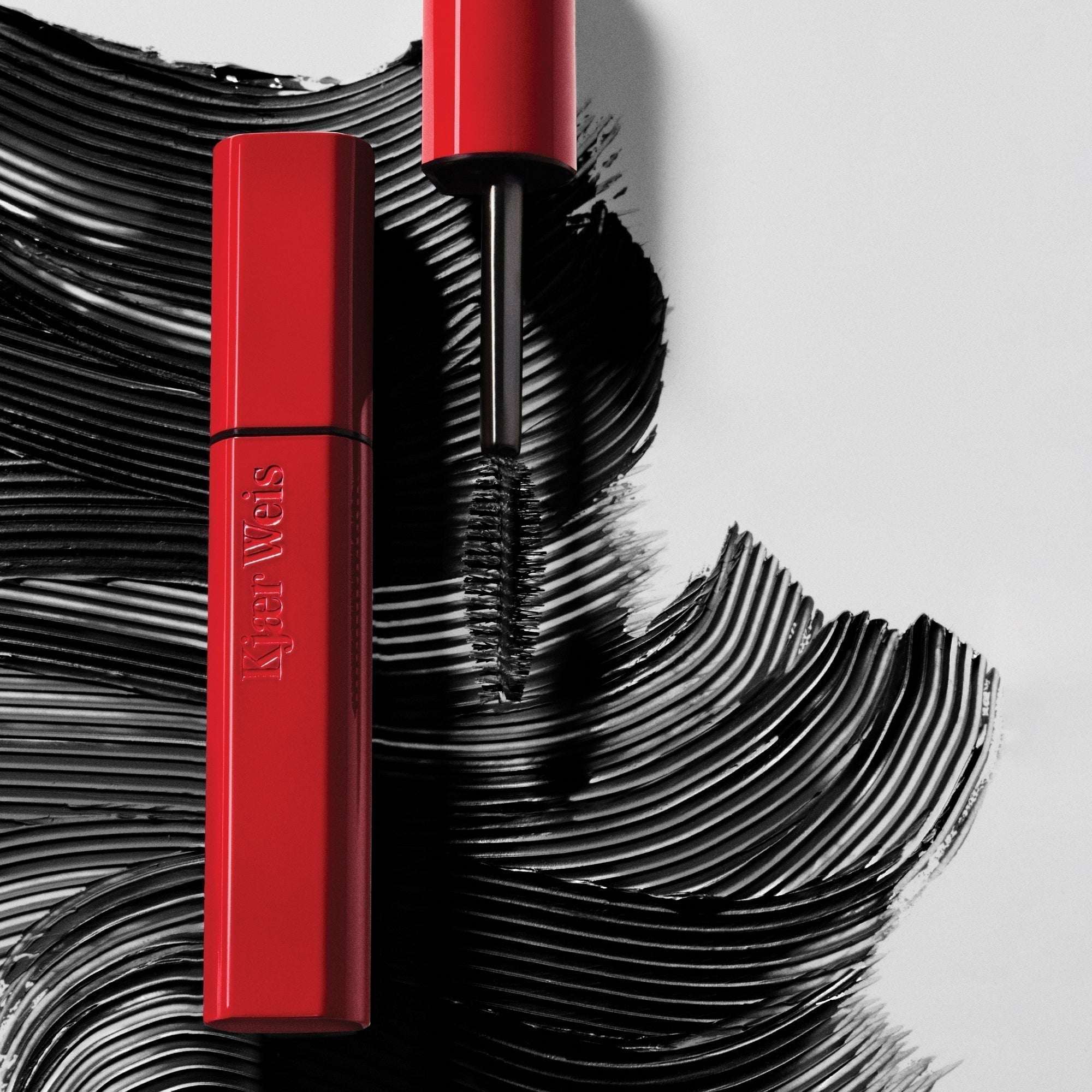
Kjaer Weis Im-Possible Mascara comes in both. A certified-organic formula that builds real length, volume, and lift without flaking, without heaviness, without drying the lashes out — same dual-sided wand, different depth.
What's the Actual Difference?
Black mascara deeply darkens the lashes. Brown darkens them too, but more gently — in daylight especially — it sits closer to your natural lash color.
With a bolder makeup look, the two can feel almost interchangeable. With barely any other makeup on, the difference is obvious.
When Black Mascara Makes Sense
Black is the more versatile of the two — it works across skin tones, eye colors, and looks, and it tends to feel seamless when the hair and brows are already dark.
It works for evening, for a more deliberate eye look, for any time you want the lashes to lead. For brown eyes, it adds real richness. With liner and shadow, everything intensifies.
Im-Possible Mascara in Black builds depth without going heavy — crafted with certified organic ingredients chosen specifically for the delicate skin around the eyes, so lashes look long, lush, and defined without feeling coated or stiff.

When Brown Mascara Makes Sense
Brown mascara is for when you want your lashes to look longer and darker without it being obvious that you're wearing mascara. The lashes look deeper and more defined, but softly enough that they could be mistaken for your own (very long and voluminous) lashes.
It works especially well for blue, green, and hazel eyes — the warmth of brown makes those eye colors look brighter and more vivid than black does. For fair lashes, blonde or red hair, lighter brows — brown looks as it belongs there.
It's also worth trying if black has ever felt too stark in daylight.
Im-Possible Mascara in Brown gives lashes the same lift, length, and volume as black — just with a softer, warmer tone.

By Eye Color
Brown eyes: Black is the natural choice. It deepens and intensifies brown eyes in a way no other shade can. Brown works great for a softer, more effortless daytime look.
Blue eyes: Brown, almost always. The warmth makes blue eyes appear brighter and more vivid in a way black doesn't. That said, black is striking on blue eyes when you want more drama.
Green eyes: Brown. The warmth brings out the golden and olive undertones and makes green appear richer. Black works well when you want the look to feel stronger and more striking.
Hazel eyes: Brown draws out the golden, amber, and green flecks that make hazel eyes interesting. Black is ideal when you want more intensity.
Gray eyes: Black makes gray eyes appear more striking and defined. Brown adds warmth and softness — a beautiful everyday alternative.

By Hair Color and Skin Tone
A simple way to think about it: the closer the mascara shade is to your natural lash color, the softer the effect. The further apart they are, the more vivid the eye appears.
- Blonde and red hair tend to look most natural with brown — the transition from face to lashes feels gradual rather than sudden.
- Light brown hair works well with either.
- Dark hair and brows read seamlessly with black, though brown can be a beautiful change when paired with a warm, minimal look.
- On fairer skin, brown can feel less abrupt.
- On deeper skin tones, both shades work beautifully — black gives clarity and depth, brown brings warmth.

Which Looks More Natural?
Brown, usually. The lashes look defined without too much darkening. But black can look completely natural too, especially on naturally dark lashes or when applied with a light touch.
What matters as much as the shade is how much product goes on. Too much of either color looks heavy. A dual-sided wand helps with this — the curved side builds volume at the base, the flat side lengthens and volumizes without overloading the lashes.
Brown and Black Mascara Around Mature Eyes
As the skin around the eyes becomes more delicate, how much you want the lashes to stand out shifts too. Very dark lashes can sometimes feel like a lot.
Brown mascara gives the lashes presence without that weight. Black still looks beautiful with a light touch. Either way, Im-Possible Mascara is crafted with the delicate eye area in mind — nourishing rather than drying, so lashes stay soft, and the skin around them stays undisturbed.
Refillable, as with everything at Kjaer Weis.
Shop Im-Possible Mascara in Black
Shop Im-Possible Mascara in Brown

Common Questions
What is the difference between brown and black mascara?
Black dramatically darkens the lashes for a more dramatic look. Brown darkens them more gently, sitting closer to your natural lash color — especially noticeable in daylight.
Is brown mascara better than black?
Neither is better — they do different things. Most people find they reach for both depending on the day and the look.
Can you wear brown and black mascara together?
Yes — black on the upper lashes for definition, brown on the lower lashes to soften the eye. It's a technique makeup artists use to add depth without the look feeling heavy.
When should I wear brown mascara vs black?
Brown for daytime, minimal makeup, or when you want the lashes to look like your lashes, but better. Black for evenings, bolder looks, or any time you want the lashes to pop.
Does brown mascara work on dark lashes?
It can — though the effect is subtler since the difference in shade is smaller. On very dark lashes, brown mascara reads as natural lashes, but better.
Can black mascara look natural?
Yes, especially on naturally dark lashes or when applied with a light touch. The wand matters — too much product in either shade looks heavy.


Share:
Best Makeup for Mature Skin: Why Texture Matters More Than Coverage
How to Prep Skin for Makeup: A Ritual That Begins with Skin